AI Native Product Insights – 2026W32
Based on Product Hunt data, we’ve curated a selection of AI Native applications that demonstrate how AI is being built into the core of modern products. These AI Native solutions showcase new developments in functionality and are exploring fresh ways of human-AI interaction. Let’s dive into these AI Native applications.
1. AgentSky
Ranking: 8
Upvote: 462
🚀 Product Overview
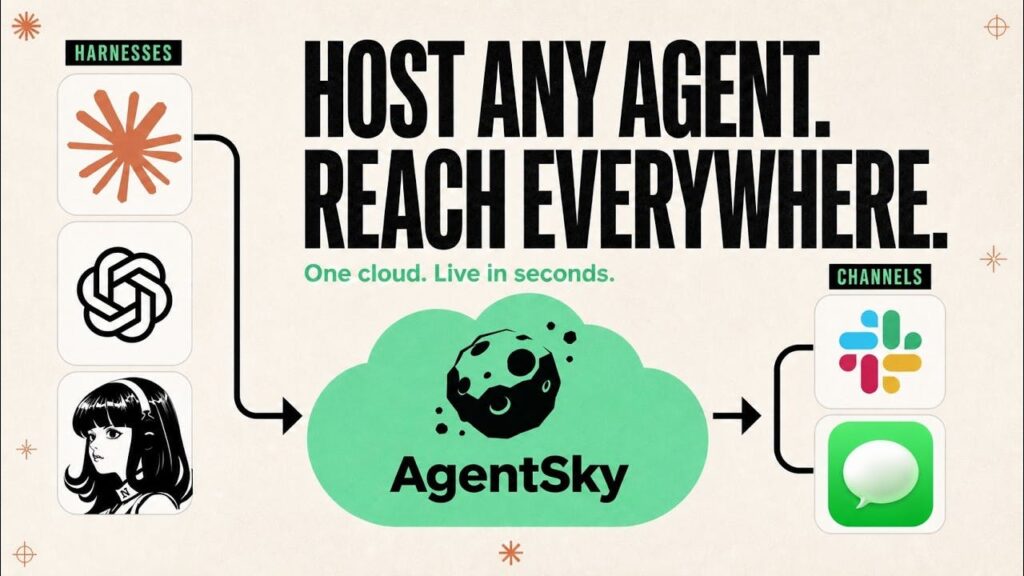
AgentSky is an AI-agent hosting and runtime platform that lets teams deploy always-on agents to cloud sandboxes using different harnesses and LLMs, with persistent history, artifacts, and state snapshots. It standardizes how agents are launched and operated via one-click or CLI, and exposes the same agent across common user channels (messaging apps, Slack, web, CLI, and APIs) without rewriting the underlying agent logic.
📊 Evaluation
AI Native Application Modernization: 88/100
Strong AI-native infrastructure value: it treats the agent runtime, memory/state persistence, sandboxing, and multi-channel connectivity as the core system, not add-ons. The main gaps are around enterprise-grade governance details (policy controls, auditability, and standardized evaluation/observability workflows), but as a modernization layer for productionizing agents across models and harness versions, it is well aligned.
🔗 Website
https://agentsky.dev/
2. ngrok AI Gateway
Ranking: 12
Upvote: 350
🚀 Product Overview
ngrok AI Gateway is a hosted routing layer that sits between your apps and multiple LLM providers or self-hosted models, giving teams one stable endpoint to switch models, manage provider keys, and keep private inference endpoints off the public internet while staying compatible with common AI SDKs.
📊 Evaluation
AI Native Application Modernization: 90/100
It modernizes AI application architecture by centralizing model access, policy, failover, and observability as an infrastructure control plane rather than scattering integrations across services; the score reflects strong support for multi-provider routing and private connectivity, with remaining modernization depending on how deeply it integrates into enterprise governance and deployment workflows.
🔗 Website
https://ngrok.ai/
3. Keystroke
Ranking: 35
Upvote: 162
🚀 Product Overview
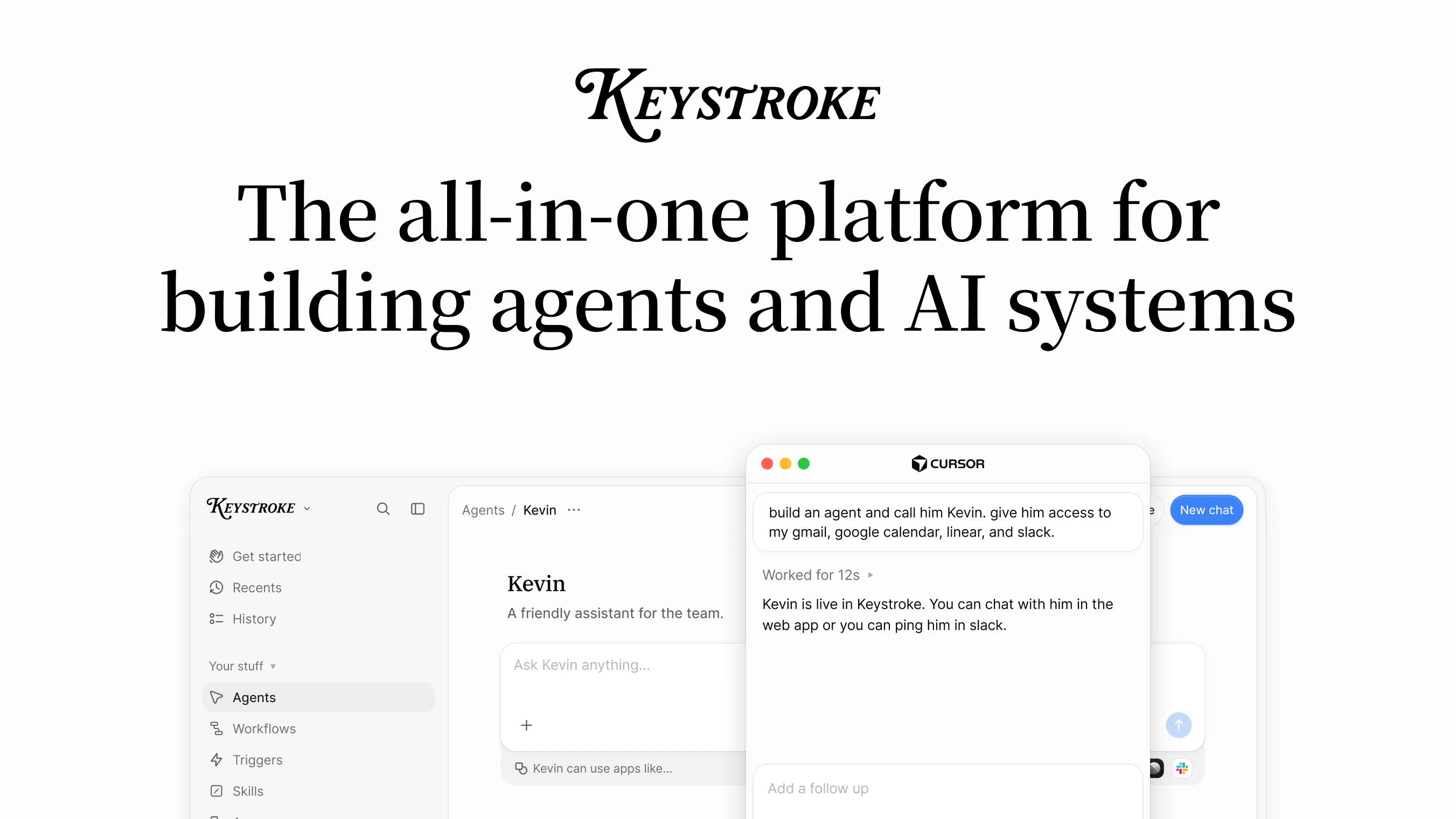
Keystroke is a collaborative platform for designing, deploying, and operating AI agents inside a company, combining agent building with integrations, credentials, memory, triggers, approvals, and observability in one workspace. You describe the system you need and an in-product agent can assemble it, connect tools and APIs, run tests, and deploy, while teams can interact via the app or Slack/Teams and maintain the underlying logic as standard TypeScript.
📊 Evaluation
AI Native Application Modernization: 87/100
Keystroke treats AI execution as the primary runtime for business workflows, not an add-on, with durable runs, inspection, and governance features (human approvals, credential management, and monitoring) that make agent-driven automation operational. The TypeScript-first foundation and broad integrations reduce lock-in and help teams modernize internal processes into observable, reusable agent systems, though outcomes still depend on careful workflow design and organizational controls.
🔗 Website
https://keystroke.ai/
4. Toolport
Ranking: 41
Upvote: 149
🚀 Product Overview
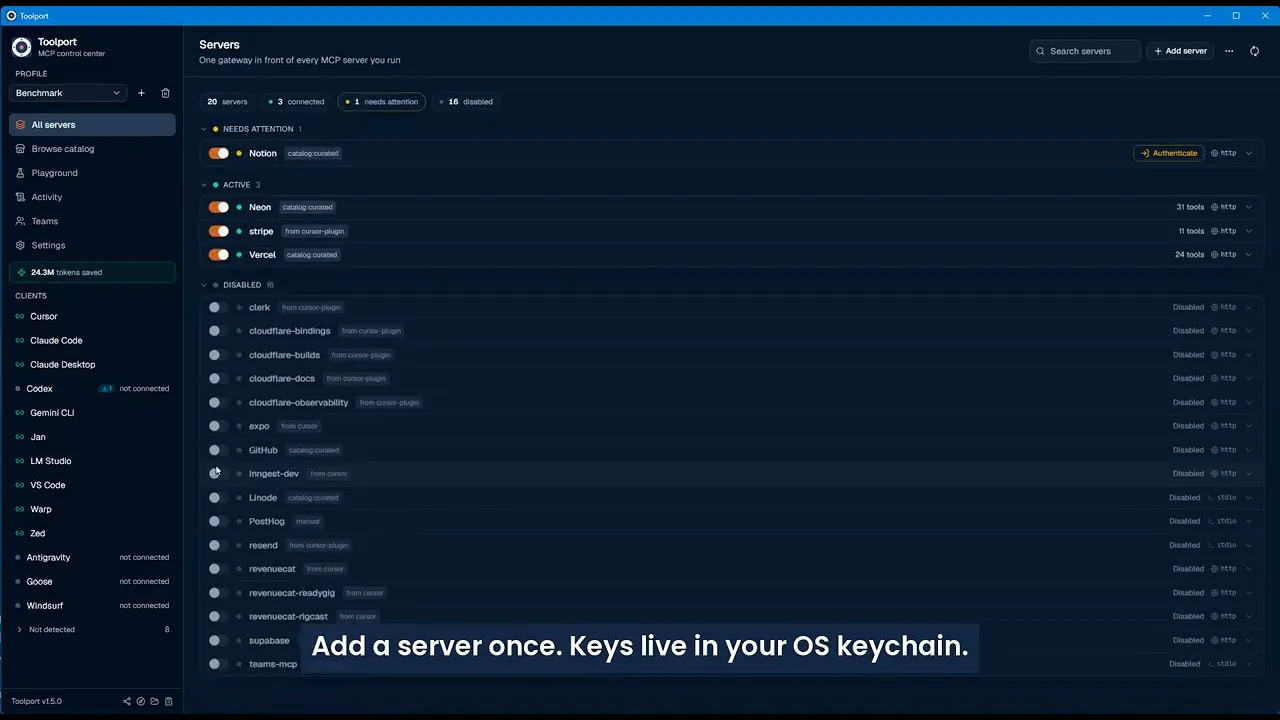
Toolport is an AI-agent gateway for MCP that centralizes tool/server configuration across clients and reduces model context bloat by exposing a small set of meta-tools that let agents discover and call tools only when needed. It sits locally between agents and MCP servers, supports newer and older MCP specs, and adds safer execution with argument-bound approvals and sandboxed server-side “code mode” sequences to cut round trips.
📊 Evaluation
AI Native Application Modernization: 90/100
Toolport modernizes agent-tool integration at the system layer: it re-architects how agents perceive and invoke tools (discovery-on-demand instead of full tool lists), directly improving token efficiency and reliability while adding security controls like tool fingerprinting and injection-aware handling. The approach is strongly AI-native because the core value depends on agent runtime behavior, though impact will vary by MCP ecosystem maturity and the quality of connected tool catalogs.
🔗 Website
https://toolport.app/
5. Finyuus
Ranking: 106
Upvote: 86
🚀 Product Overview
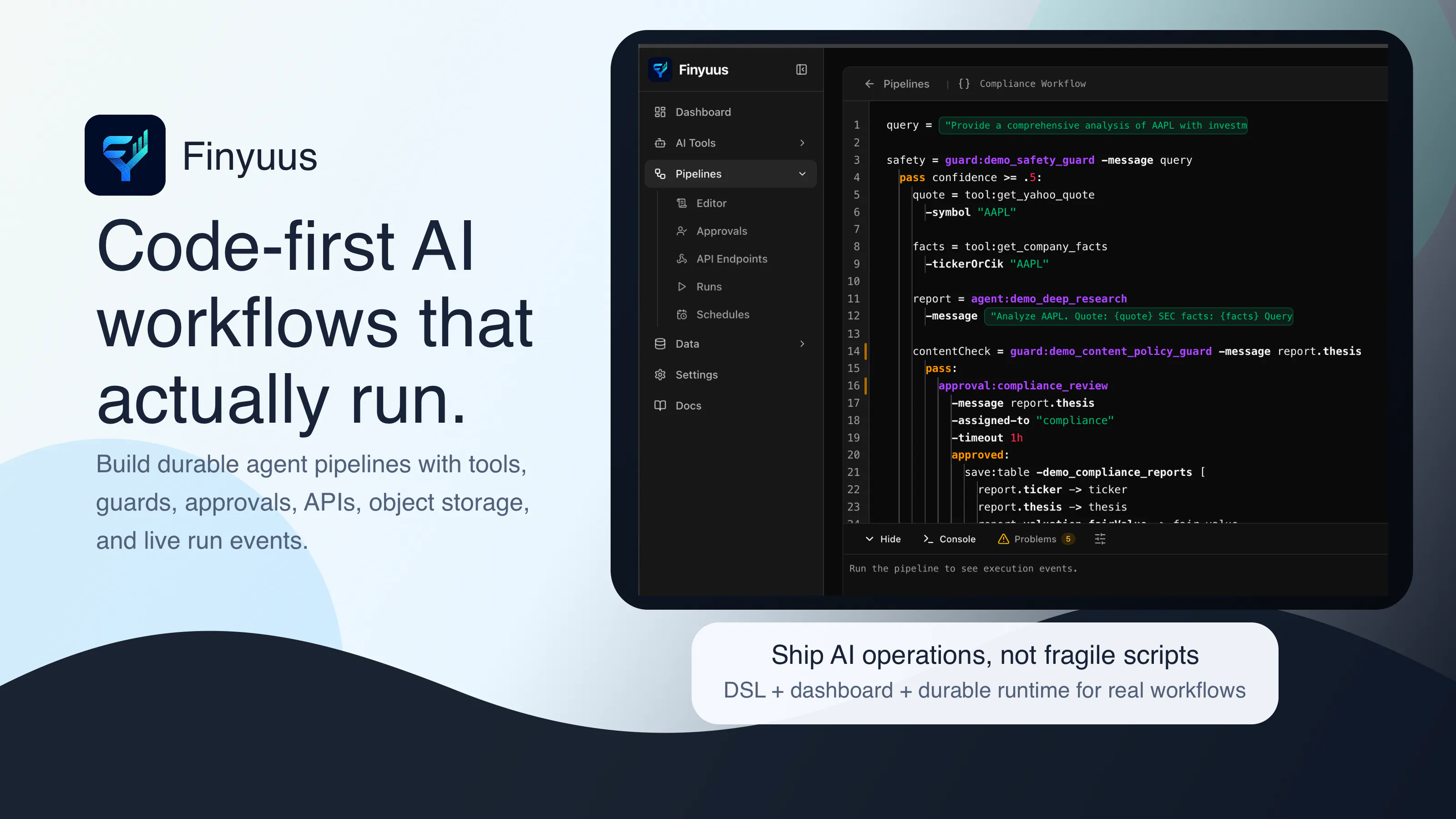
Finyuus is an indentation-based DSL that treats AI workflows like database logic: defined as text, versioned in Git, and operated independently from the host application. It composes agents, prompts, tool calls, guards, retries, and human approval waits into durable executions backed by Temporal, with Langfuse for tracing and cost visibility plus a dashboard for authoring and review.
📊 Evaluation
AI Native Application Modernization: 87/100
Finyuus modernizes AI app delivery by extracting AI behavior into a governed, durable workflow layer with first-class observability and operational controls. The architecture (Temporal durability + text-based workflows + guardrails/approvals) fits real production needs like long-running processes and safe iteration, though adoption depends on teams buying into a new DSL and workflow runtime.
🔗 Website
https://github.com/mariusndini/Finyuus
Statement: Evaluation results are generated by AI, lack of data support, reference learning only.