AI Native Product Insights – 2026W34
Based on Product Hunt data, we’ve curated a selection of AI Native applications that demonstrate how AI is being built into the core of modern products. These AI Native solutions showcase new developments in functionality and are exploring fresh ways of human-AI interaction. Let’s dive into these AI Native applications.
1. Supernova
🏅 Product Hunt Data
Ranking: 14
Upvote: 328
🚀 Product Overview
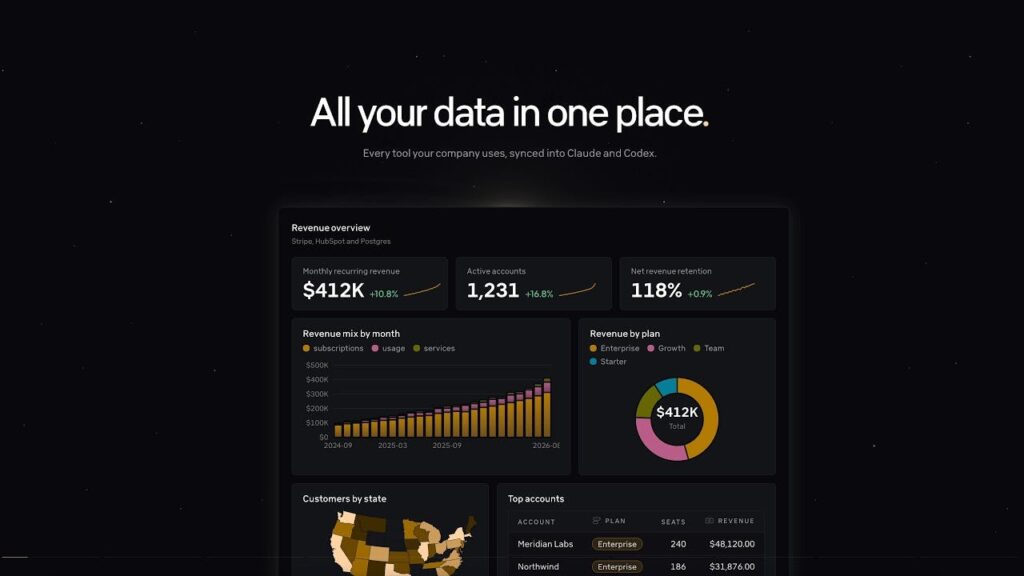
Supernova makes Claude and Codex first-class interfaces to your company’s operational data by connecting live sources like Stripe, HubSpot, PostgreSQL, and 30+ apps, so teams can ask questions and run analysis directly inside their AI workflow instead of building dashboards in a separate BI stack.
📊 Evaluation
AI Native Application Modernization: 90/100
AI is the primary interaction layer: users rely on Claude/Codex to generate analyses and dashboards against connected, current data. The product focuses on data accessibility and integration depth (multi-source connectors and modern export/ops tooling) while reducing the need for custom pipelines and engineer time, which fits an AI-native modernization approach.
🔗 Website
2. Grok 4.6
Ranking: 17
Upvote: 300
🚀 Product Overview
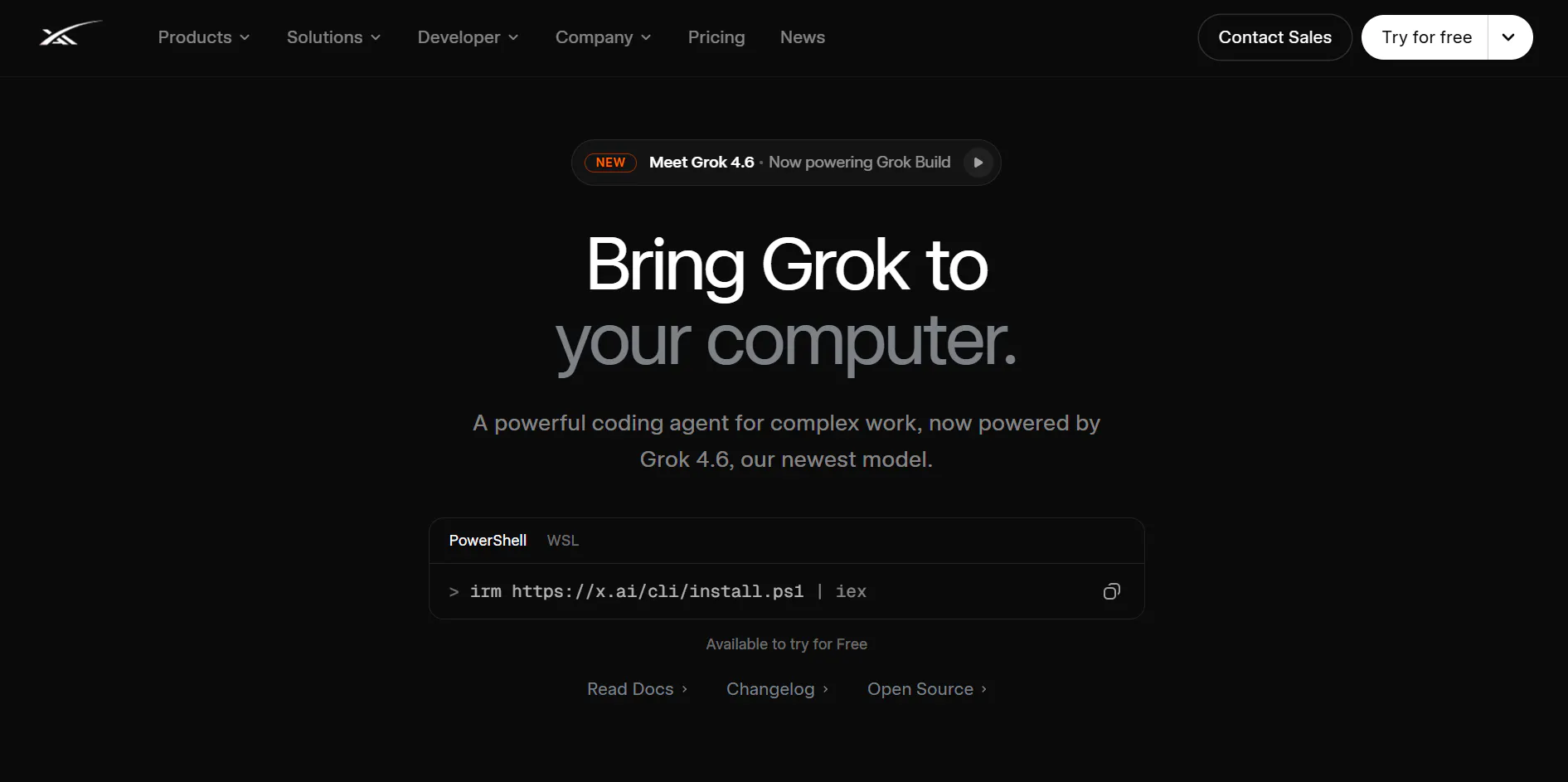
Grok 4.6 is an AI-native frontier model designed for long-running agent workflows where the system must maintain context, execute multi-step plans, and iterate through real feedback loops. It focuses on turning broad prompts into structured full-stack outputs, then staying engaged to refine, debug, and improve results rather than stopping at a single generation.
📊 Evaluation
AI Native Application Modernization: 87/100
Grok 4.6 positions AI reasoning and autonomy as the primary execution layer for building and maintaining applications, emphasizing endurance across longer horizons, self-verification, and iterative improvement. The strongest modernization signal is agentic reliability (self-testing, multi-step coherence) that supports production-like loops; the main risk to adoption typically lies in integration governance (tooling boundaries, reproducibility, and auditability) which teams will need to operationalize around.
🔗 Website
https://x.ai/news/grok-4-6
3. MeetStream AI
Ranking: 32
Upvote: 181
🚀 Product Overview
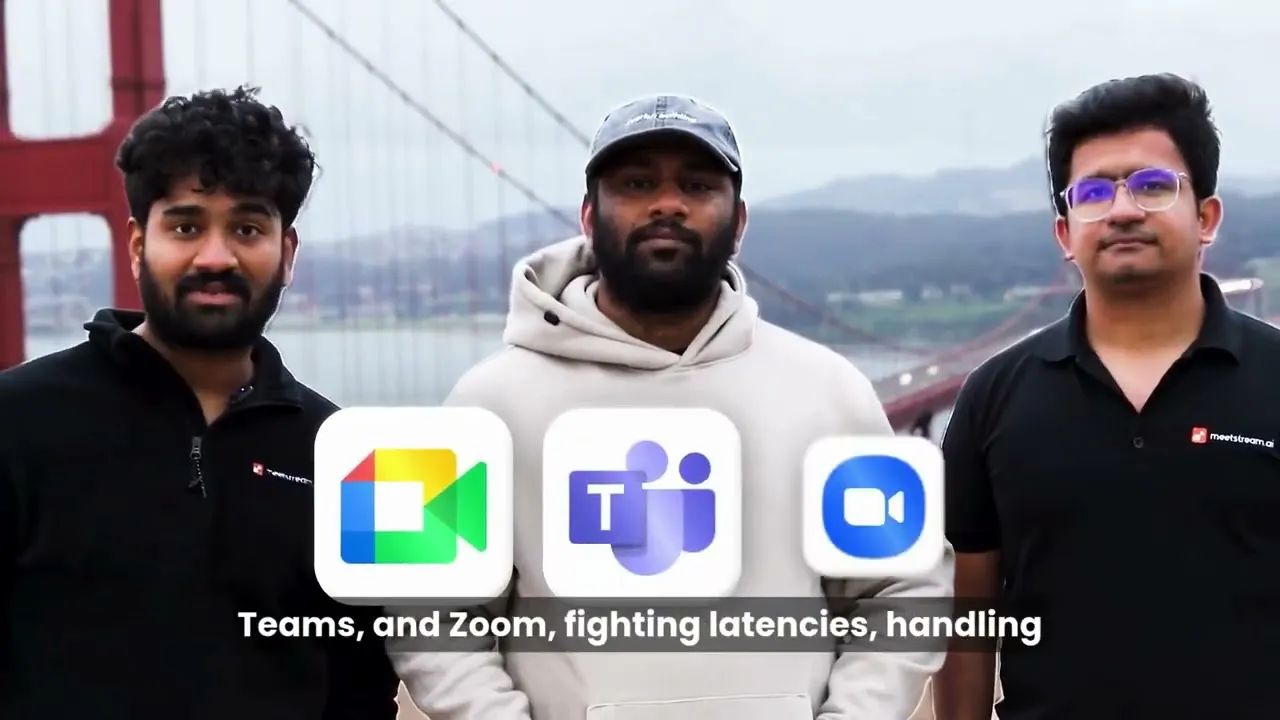
MeetStream AI provides a unified capture API and voice infrastructure for building AI meeting agents that operate in real time across Zoom, Google Meet, and Microsoft Teams. It streams per-participant audio/video, live speaker-attributed transcripts, and meeting lifecycle events via webhooks, while also enabling an agent to join as a scoped participant that can speak, invoke tools mid-call, and push actions (like CRM updates) during the conversation.
📊 Evaluation
AI Native Application Modernization: 88/100
This is AI-native infrastructure because the primary workflow is real-time agent presence, not post-call summarization, with product design centered on low-latency streams, event orchestration, and permissioned participation. The strongest modernization signal is the cross-platform abstraction plus operational reliability concerns (reconnects, lobby states, per-speaker streams) treated as first-class primitives, enabling teams to ship agent behaviors faster without rebuilding meeting-platform plumbing.
🔗 Website
https://www.meetstream.ai/
4. Shepherd Terminal
Ranking: 61
Upvote: 120
🚀 Product Overview
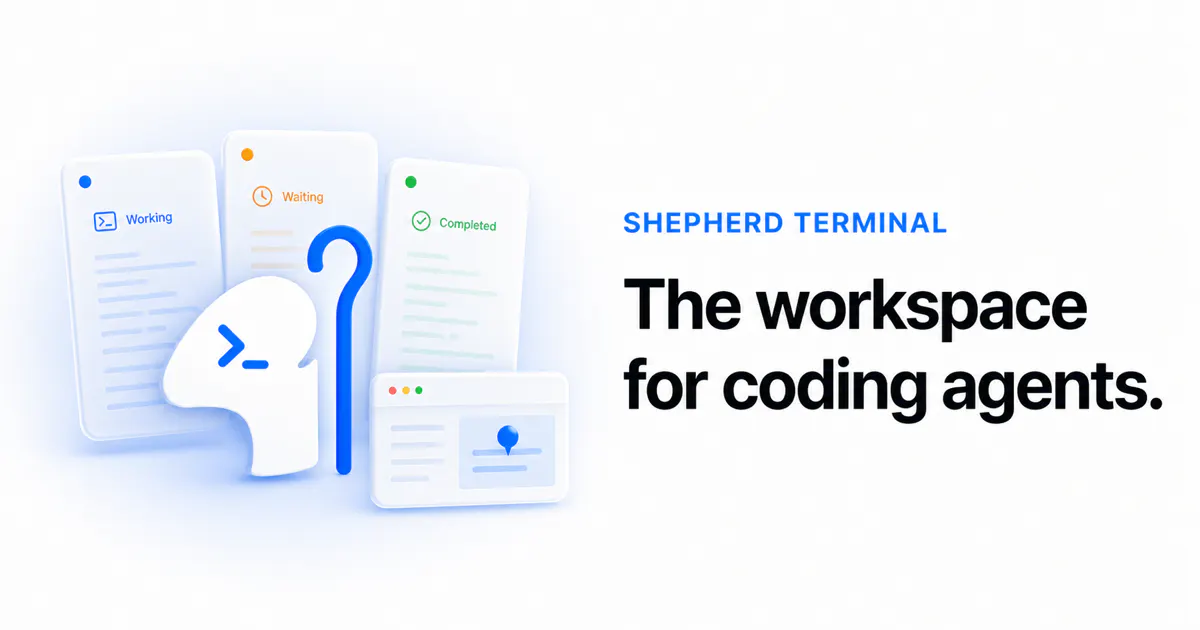
Shepherd Terminal is a persistent macOS terminal workspace built for running multiple coding agents (Codex and Claude) side by side across tabs, panes, and remote machines. It keeps sessions alive after closing the app, surfaces real-time agent status, and supports agent-aware workspace control, plus workflow tools like resuming past runs, inspecting diffs and Git history, and turning browser review annotations into structured feedback.
📊 Evaluation
AI Native Application Modernization: 87/100
The product is AI-native because the primary unit of work is an agent session, with first-class orchestration, monitoring, and state persistence designed around parallel AI execution rather than human-only terminals. Strong points include durable context across restarts, remote SSH integration, and feedback loops that convert UI review into machine-readable instructions; main risks are early beta stability, tight coupling to specific agent providers, and the need for clear safety/permission boundaries when agents can control the workspace.
🔗 Website
https://sheperd.kojunseo.link/
5. Zoho Cliq 7.0
Ranking: 94
Upvote: 96
🚀 Product Overview
Zoho Cliq 7.0 is a team collaboration hub that treats AI as an in-workspace operating layer: it can generate multimedia summaries, run model-driven tasks, and trigger automations without leaving chat. The release adds pinned chat tabs, stronger search, an embedded mini client across Zoho apps, collaborative spreadsheets inside conversations, scoped guest channels, and more inclusive meetings with live captions.
📊 Evaluation
AI Native Application Modernization: 89/100
Cliq 7.0 shows strong AI-native design by supporting multiple LLM providers (including Zoho’s Zia) and using AI for both comprehension (summaries across video/audio/recordings) and execution (no-code workflows, Chat Actions, and external agent connectivity via MCP/OpenAPI). The product also reflects enterprise readiness with granular AI privacy controls, admin reporting, and accessibility alignment, while keeping AI embedded in core collaboration flows rather than as a separate add-on.
🔗 Website
https://www.zoho.com/
Statement: Evaluation results are generated by AI, lack of data support, reference learning only.