Global AI Native Industry Insights – 20260928 – Perplexity AI | Nvidia | Google | more
Today’s digest features notable advancements from Perplexity and Nvidia in collaboration with Google DeepMind. The broader theme of today’s news revolves around enhanced AI capabilities and open scientific collaboration. Perplexity introduces a sophisticated Fast Search feature utilizing the new Rust-based Photon retrieval engine, enhancing search efficiency. Nvidia and Google DeepMind, along with partners, have open-sourced AI-predicted protein complex structures for over 2,800 viruses, advancing the field of virology. Additionally, Google’s introduction of Gemma 4 on-device support to the Antigravity SDK highlights an effort to bolster AI’s on-device processing power. Discover more in Today’s Global AI Native Industry Insights.
1. Perplexity launches Fast Search powered by new Rust-based Photon retrieval engine
Perplexity AI introduced Fast Search, a new feature in its Search API. It runs on Photon, a newly built Rust-based retrieval and ranking service developed by a small team of engineers with the help of hundreds of AI agents. Fast Search returns 95% of search results in 230 milliseconds or less. The release aims to significantly improve search latency for API developers.
Read more: https://www.perplexity.ai/hub/blog/photon
Video Credit: NotebookLM
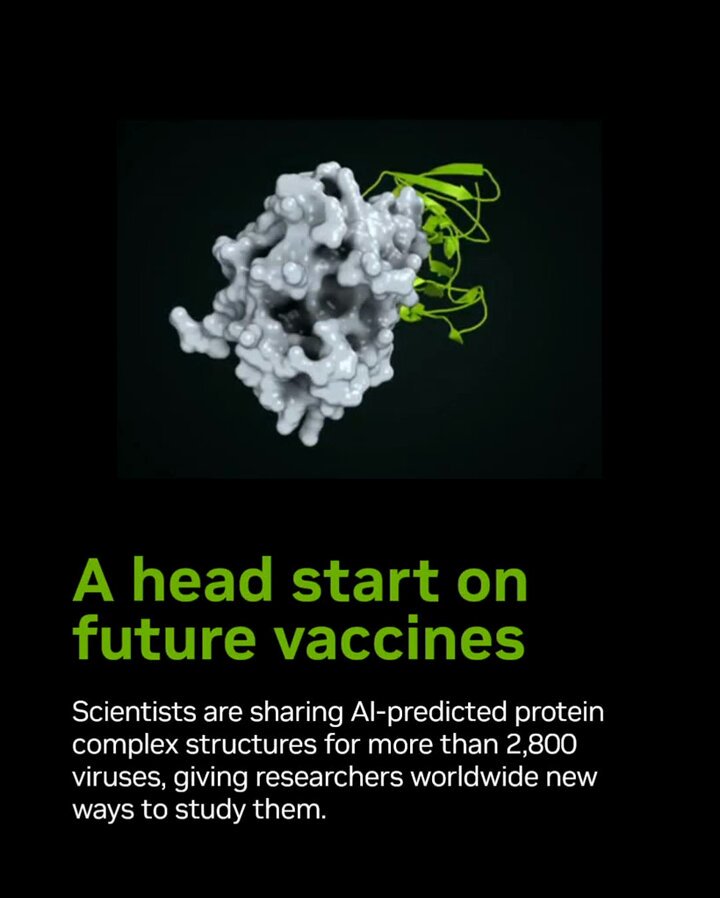
2. Nvidia, Google DeepMind and Partners Open Source AI-Predicted Protein Complex Structures for Over 2,800 Viruses
Nvidia, in collaboration with Google DeepMind, EMBL-EBI, and other research partners, has released AI-predicted protein complex structures for more than 2,800 viruses as an open resource. The dataset aims to give scientists a head start in studying viral biology and preparing for potential disease outbreaks. The structures were generated using AI-based structure prediction methods rather than traditional experimental techniques. Making this data openly available is intended to accelerate research into antiviral treatments and outbreak preparedness across the scientific community.
Read more: https://blogs.nvidia.com/blog/open-protein-dataset/
Video Credit: @nvidia on X
3. Google Brings Gemma 4 On-Device Support to Antigravity SDK
Google announced that Gemma 4 can now run locally on-device within the Antigravity SDK. The update lets developers build fully local or hybrid multi-agent workflows that combine cloud models with a local Gemma 4 workforce. Google says the on-device setup, powered by LiteRT, allows code auditing, patching, and testing with full data privacy and no API fees. The feature targets developers seeking cost-efficient and privacy-preserving AI development tools.
Read more: https://developers.googleblog.com/introducing-support-for-local-ai-models-in-the-antigravity-sdk/
Video Credit: @googledevs on X
That’s all for today’s Global AI Native Industry Insights. Join us at AI Native Foundation Membership Dashboard for the latest insights on AI Native, or follow our linkedin account at AI Native Foundation and our twitter account at AINativeF.