AI Native Product Insights – 2026W45
Based on Product Hunt data, we’ve curated a selection of AI Native applications that demonstrate how AI is being built into the core of modern products. These AI Native solutions showcase new developments in functionality and are exploring fresh ways of human-AI interaction. Let’s dive into these AI Native applications.
1. Wanaka Studio
Ranking: 2
Upvote: 482
🚀 Product Overview
Wanaka Studio is an AI-native 3D game engine where an engine-integrated agent and a visual IDE co-create in real time, turning natural-language intent into structured game logic and editable scene assets without requiring code. It bundles core engine capabilities (physics, terrain, lighting, behaviors), character generation with rigging/animation, native multiplayer, and one-click web publishing so creators can prototype, iterate, and share playable games from a single workflow.
📊 Evaluation
AI Native Application Modernization: 89/100
The product is designed around an agent-first architecture rather than bolting AI onto an existing editor: the agent operates through declarative engine APIs, uses atomic engine tools, and closes the loop with runtime inspection plus self-playtest and rollback to correct mistakes. The tight two-way sync between prompts and the visual editor reduces prompt-only brittleness and makes human edits first-class inputs for the agent, though outcomes will still depend on asset quality, guardrails for game logic, and how reliably the agent generalizes across more complex projects.
🔗 Website
https://wanaka.app/
2. Scalekit
Ranking: 3
Upvote: 427
🚀 Product Overview
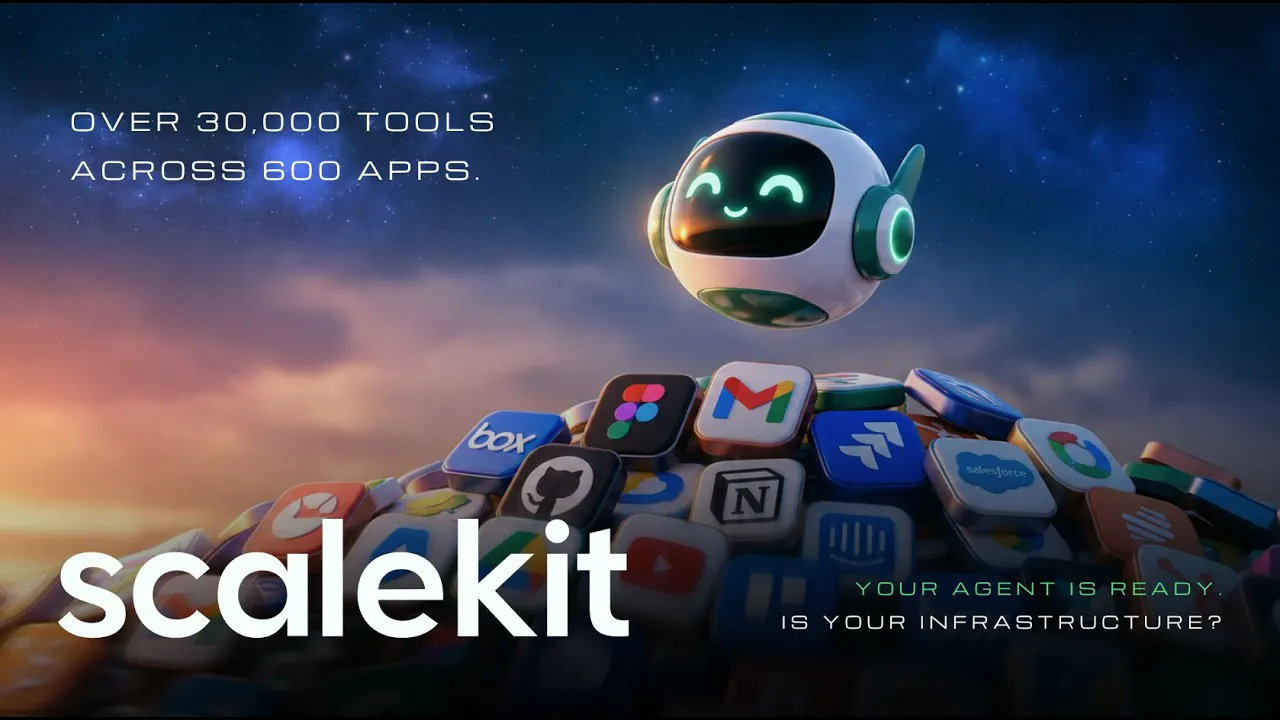
Scalekit (AgentKit) is an MCP gateway designed for AI agents running in production, centralizing tool access across 600+ connectors while handling the operational layer that makes agents deployable: end-user OAuth, per-tenant token storage and refresh, least-privilege execution, and role-based tool exposure via virtual MCP servers to reduce context bloat.
📊 Evaluation
AI Native Application Modernization: 88/100
AI is the primary workload here because the product exists to operationalize agent tool-calling at scale, not to add automation to a traditional app; it provides core infrastructure for identity, governance, reliability (retries/rate limits), and auditability with detailed logs that can stream to systems like Datadog or Splunk, plus SDK compatibility across common agent frameworks.
🔗 Website
https://www.scalekit.com/
3. Living Brain
Ranking: 17
Upvote: 254
🚀 Product Overview
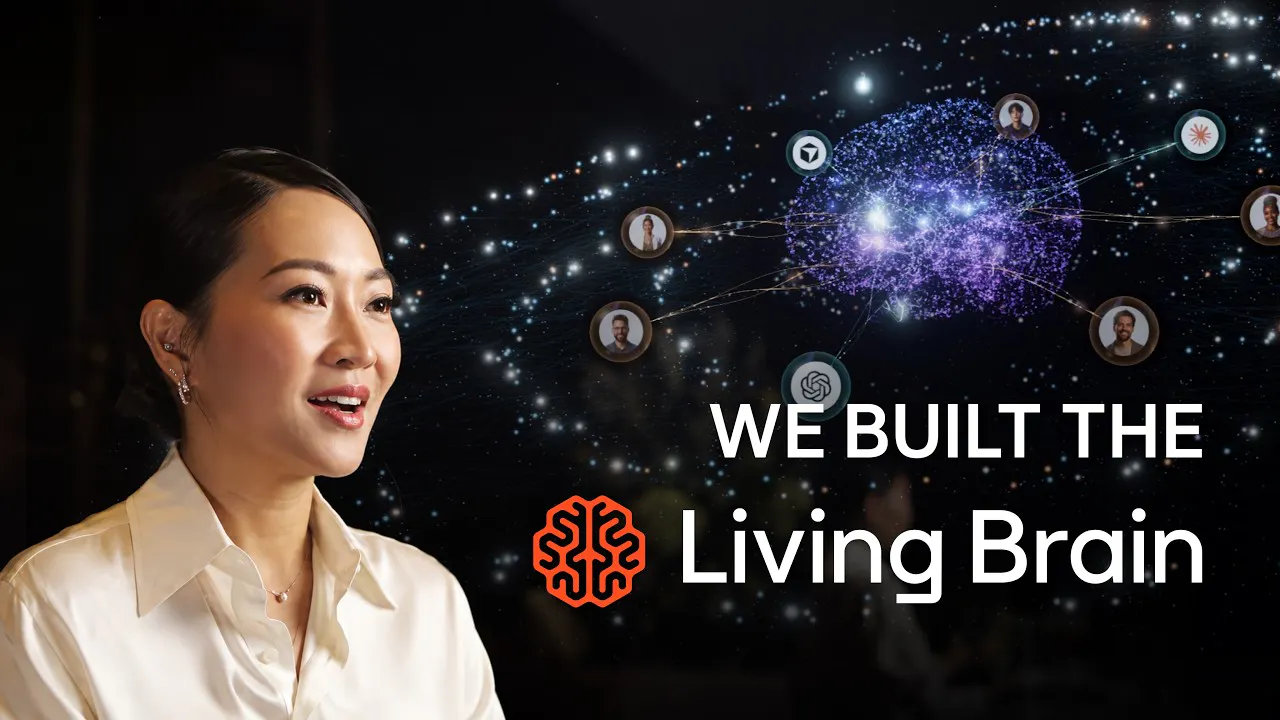
Living Brain is a model-agnostic, cross-platform memory layer that turns notes, docs, and conversations into reusable knowledge AI agents can retrieve and apply. It provides shared, persistent context across multiple assistants and developer-built agents via an API, with an emphasis on inspectable sources and editable memory.
📊 Evaluation
AI Native Application Modernization: 87/100
The product is AI-native because persistent memory is the core infrastructure enabling agent continuity, not a UI add-on; interoperability across tools and an API make it composable in real workflows. The main execution risk is trust and governance at scale—teams will expect strong controls for privacy, provenance, and conflict resolution when multiple agents write to the same memory.
🔗 Website
https://chatandbuild.com/
4. OpenMail
Ranking: 25
Upvote: 204
🚀 Product Overview
OpenMail is an email infrastructure layer designed for AI agents, giving each agent its own inbox and identity on your domain. It delivers inbound mail to your application via webhook or WebSocket, converts attachments into model-readable text, and supports agent tooling via a hosted MCP server and a Hermes Agent plugin, with EU-based operations.
📊 Evaluation
AI Native Application Modernization: 87/100
OpenMail treats email as a first-class primitive for agent systems rather than a human mailbox add-on, enabling autonomous signups, customer replies, and workflow triggers with programmatic control. Strong multi-tenant isolation and per-inbox reputation help contain abuse and deliverability issues, though teams still need to design governance and monitoring around agent behavior to prevent misuse.
🔗 Website
https://openmail.sh/

5. Clayzo
Ranking: 27
Upvote: 195
🚀 Product Overview
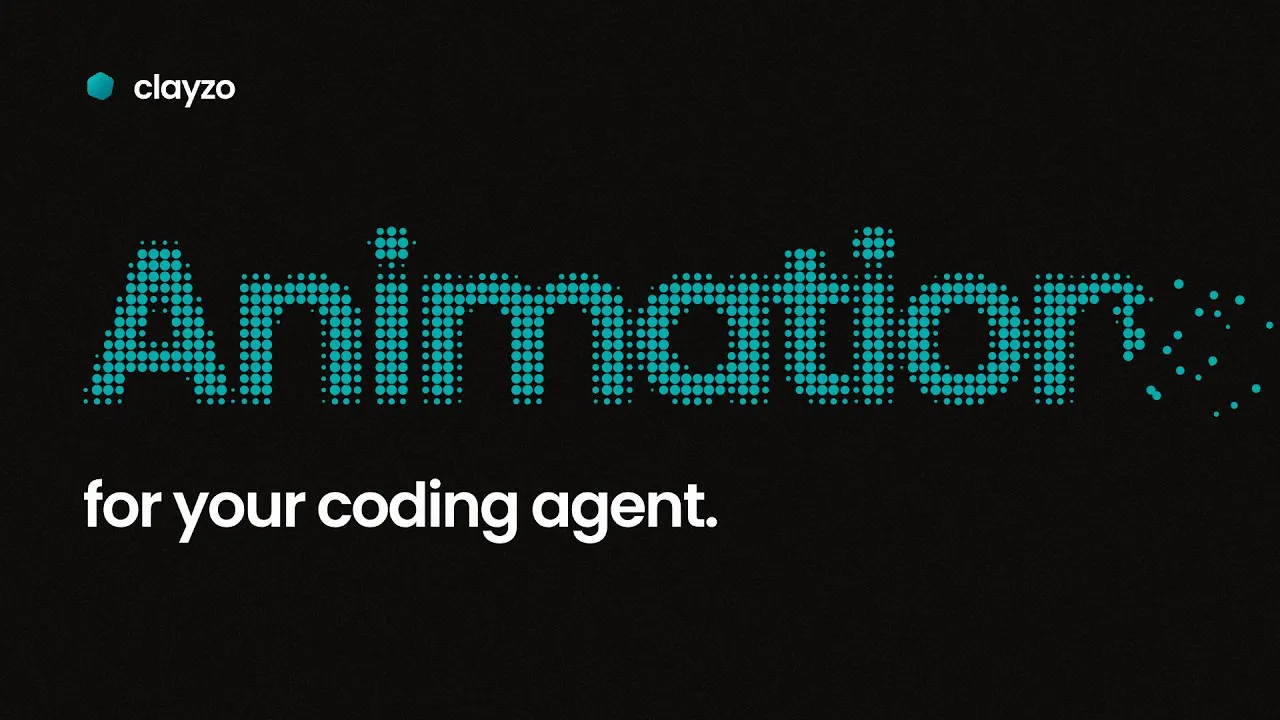
Clayzo is an agent-first motion design system where animations are authored as code in a dedicated format covering shapes, text, keyframes, springs, shaders/effects, camera moves, audio, and interactive states (hover/press/drag). It is designed to be used directly by coding agents (e.g., Claude Code, Cursor, Codex) via a CLI that enables rapid preview of any frame and iterative fixes, packaging projects into a compact .clayzo file and playing them via optimized WebGL/Swift runtimes or exporting to standard video formats.
📊 Evaluation
AI Native Application Modernization: 87/100
Clayzo makes AI the primary creator by turning motion design into a structured, machine-editable artifact that agents can generate, validate through fast previews, and refine in tight loops. The code-first spec and single-file bundling are strong foundations for automation and reuse across web and app surfaces, while broader player coverage and deeper guardrails for style consistency and render determinism would further strengthen production readiness for agent-driven pipelines.
🔗 Website
https://clayzo.com/
Statement: Evaluation results are generated by AI, lack of data support, reference learning only.