AI Native Product Insights – 2026W6
Based on Product Hunt data, we’ve curated a selection of AI Native applications that demonstrate how AI is being built into the core of modern products. These AI Native solutions showcase new developments in functionality and are exploring fresh ways of human-AI interaction. Let’s dive into these AI Native applications.
1. Claude Opus 4.6
Ranking: 2026W6-rank2
Upvote: 588
🚀 Product Overview
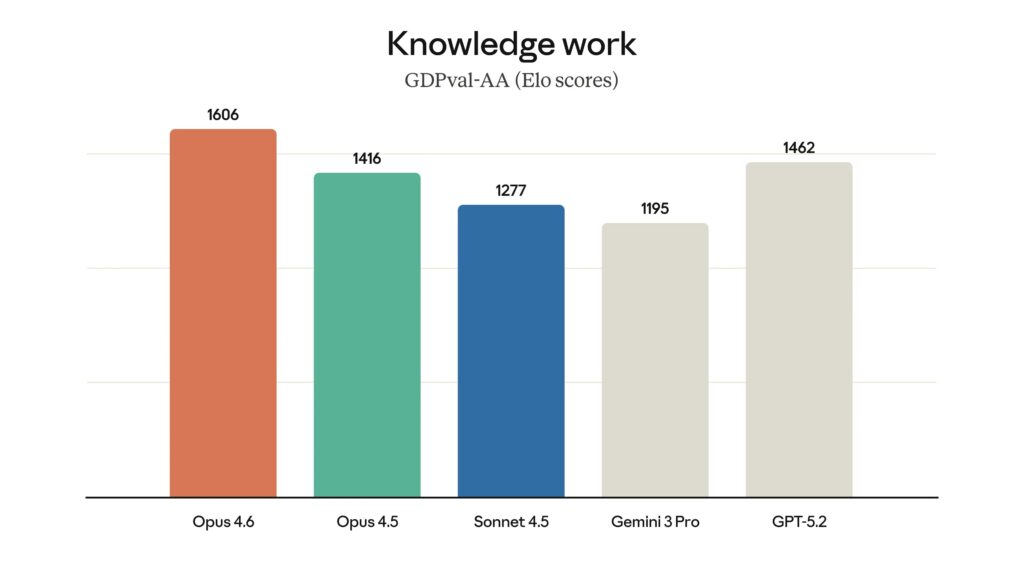
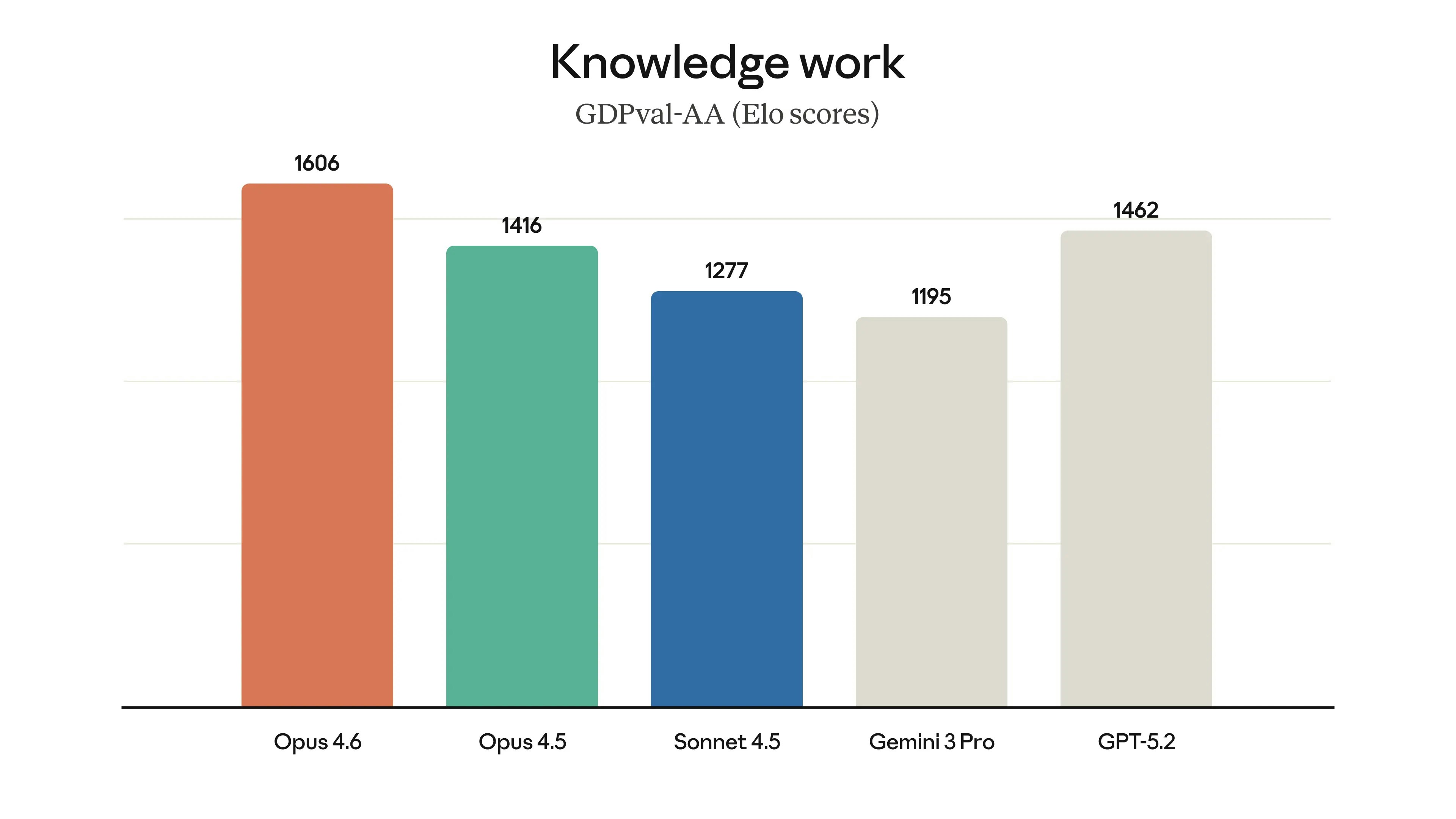
Claude Opus 4.6 is Anthropic’s latest flagship model, designed for high-complexity tasks like deep reasoning, handling massive codebases, and long-context operations. It features adaptive planning and a 1M token context window, making it ideal for advanced workflows in coding, research, and analysis.
📋 More Details
The release post highlights its strengths in long-running agent work, structured reasoning, and reliability across extended tasks. Claude 4.6 is positioned to support autonomous agents and intensive real-world use cases with sustained performance.
📊 Evaluation
AI Native Application Modernization: 94/100
Claude Opus 4.6 exemplifies AI-native design. Generative intelligence is not an add-on—it is core to how the model handles task planning, memory across long contexts, and produces structured reasoning. The architecture reflects a deep integration of AI into product functionality.
🔗 Website
https://www.anthropic.com/claude?ref=producthunt
2. Codex by OpenAI
Ranking: 2026W6-rank14
Upvote: 145
🚀 Product Overview
Codex by OpenAI is a generative AI-powered coding assistant that redefines how developers interact with code. It supports real-time task guidance, faster execution speeds, and enhanced cybersecurity support, making it a highly capable productivity tool.
📋 More Details
Codex 5.3 achieved significant benchmark improvements (SWE-Bench Pro: 57%, OSWorld: 64%)—but most notably, the model helped develop itself. Early versions were used to debug and optimize the training process. It’s now available across all Codex entry points including the ChatGPT app, CLI, IDE extension, and web; API coming soon.
📊 Evaluation
AI Native Application Modernization: 93/100
Built generatively from its core, Codex is not just AI-enhanced—it’s AI-developed. Its ability to support, improve, and evolve its own workflows exemplifies AI-native architecture in software tooling.
🔗 Website
https://openai.com/?ref=producthunt
3. Skillkit
Ranking: 2026W6-rank26
Upvote: 248
🚀 Product Overview
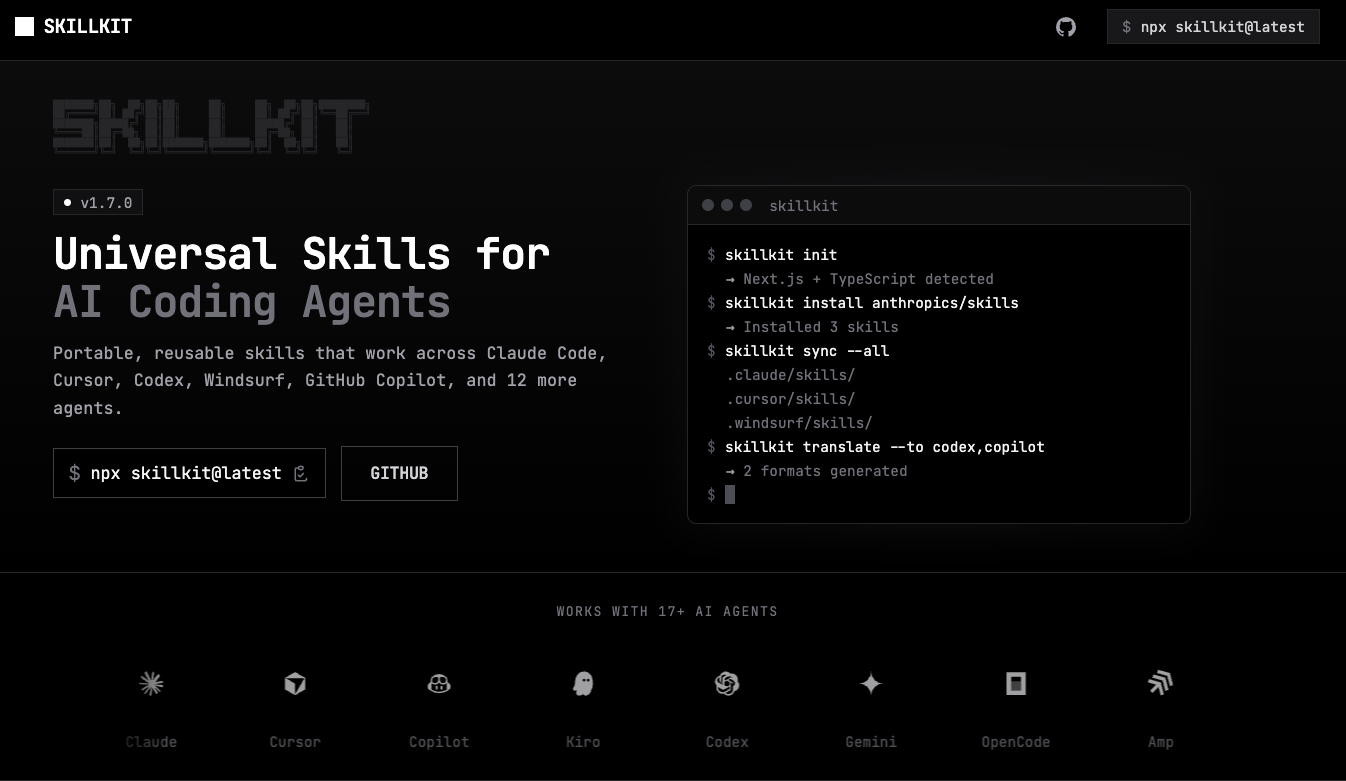
Skillkit is a universal skill layer for AI coding agents, supporting 32+ platforms like Claude, Copilot, and Cursor. It offers persistent memory, orchestrates multi-agent teams, enables encrypted mesh communication, and provides CLI-first workflows with smart skill recommendations.
📋 More Details
Built to solve incompatibility between coding agents, Skillkit enables one-click skill translation, long-term session memory via semantic embedding, and coordinated agent behavior through workflow orchestration. It also supports encrypted peer-to-peer communication and includes versionable methodology packs for standardised practices.
📊 Evaluation
AI Native Application Modernization: 94/100
Skillkit is deeply AI-native—its core functions are driven by AI interactions between agents, persistent learning, and intelligent recommendations. It’s designed from the ground up to enhance and manage AI development agents as the primary user, not just as a feature.
🔗 Website
https://agenstskills.com/?ref=producthunt
4. Grok Imagine 1.0
Ranking: 2026W6-rank44
Upvote: 159
🚀 Product Overview
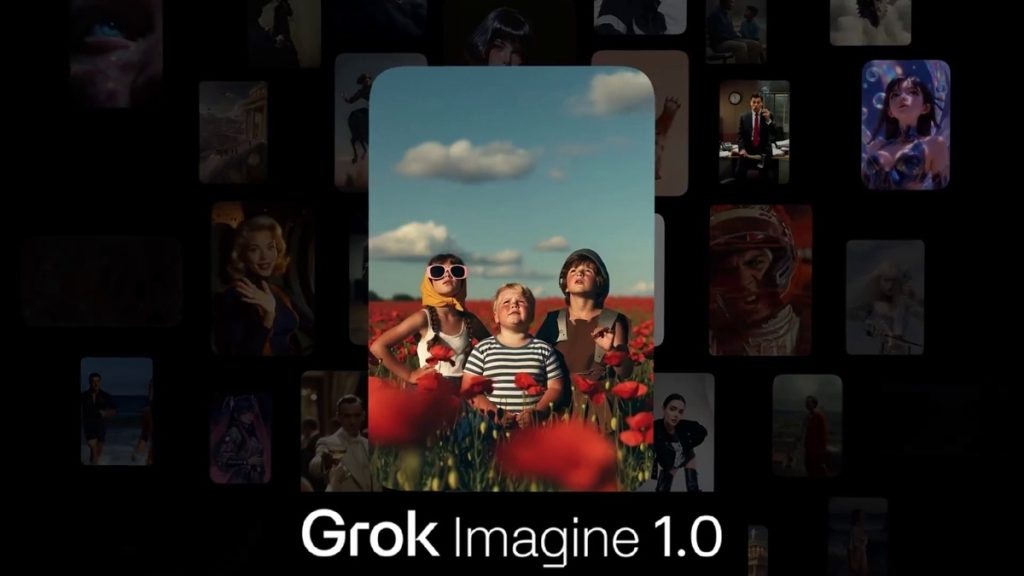
Grok Imagine 1.0 by xAI is a next-generation multimodal video generation platform that creates short cinematic videos from text, images, sketches, or existing footage. The latest release enhances quality, motion continuity, audio performance, and supports up to 10-second 720p output.
📋 More Details
Users can animate characters, restyle footage, manipulate scenes (like changing time of day or weather), and add or replace objects directly from prompts. A unified API supports seamless, end-to-end video generation and editing, enabling flexibility across input types.
📊 Evaluation
AI Native Application Modernization: 92/100
Grok Imagine 1.0 leverages generative AI as its core capability, not an add-on. The entire platform is built around AI-native workflows—from interpreting input prompts to controlling visual dynamics—making it a strong example of end-to-end AI-native design.
🔗 Website
https://grok.com/?ref=producthunt
5. Kling 3.0
Ranking: 2026W6-rank46
Upvote: 157
🚀 Product Overview
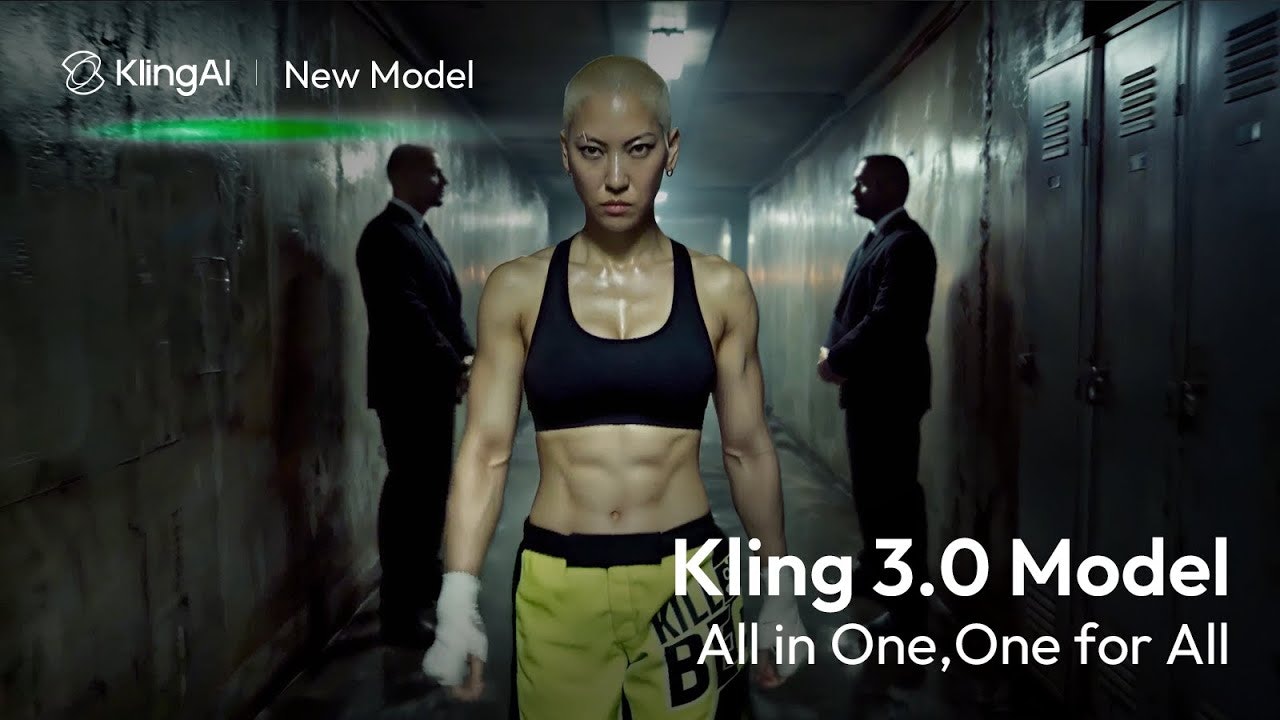
Kling 3.0 is a unified creative engine designed for AI-native multimodal content generation. It empowers users to produce video content using natural language prompts, streamlining complex workflows into a single, intuitive interface.
📋 More Details
Users are curious about how Kling processes complex prompts involving camera angles, shot types like close-ups, and storytelling cues, highlighting expectations of nuanced creative control.
📊 Evaluation
AI Native Application Modernization: 92/100
Generative AI sits at the core of Kling’s functionality—from interpreting narrative-style prompts to rendering fully-formed visuals across multiple modes. It’s built entirely around AI-native principles, integrating deep model understanding into creative tasks.
🔗 Website
https://klingai.com/?ref=producthunt
Statement: Evaluation results are generated by AI, lack of data support, reference learning only.