AI Native Product Insights – 2026W9
Based on Product Hunt data, we’ve curated a selection of AI Native applications that demonstrate how AI is being built into the core of modern products. These AI Native solutions showcase new developments in functionality and are exploring fresh ways of human-AI interaction. Let’s dive into these AI Native applications.
1. Stitch by Google
Ranking: 2
Upvote: 602
🚀 Product Overview
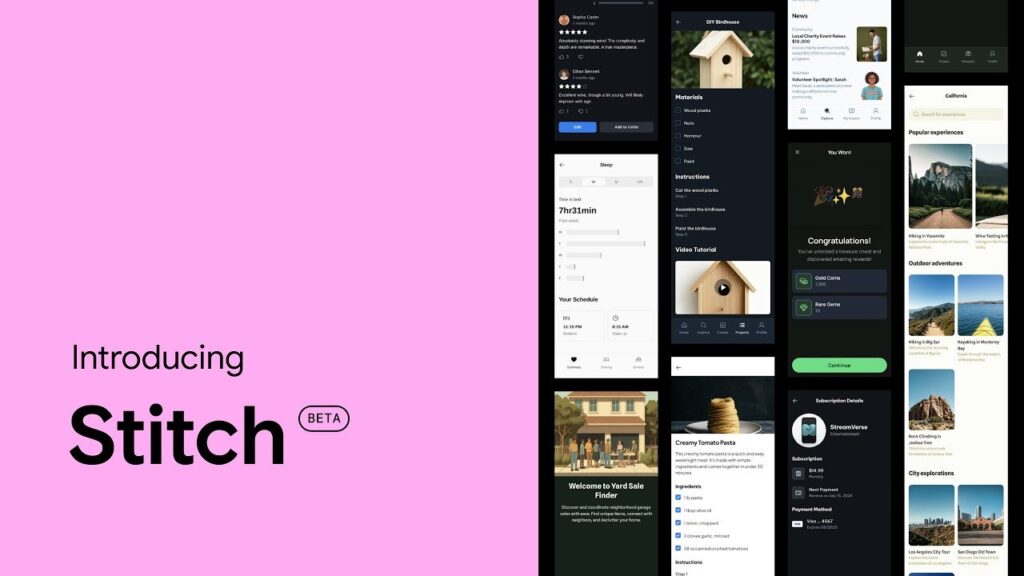
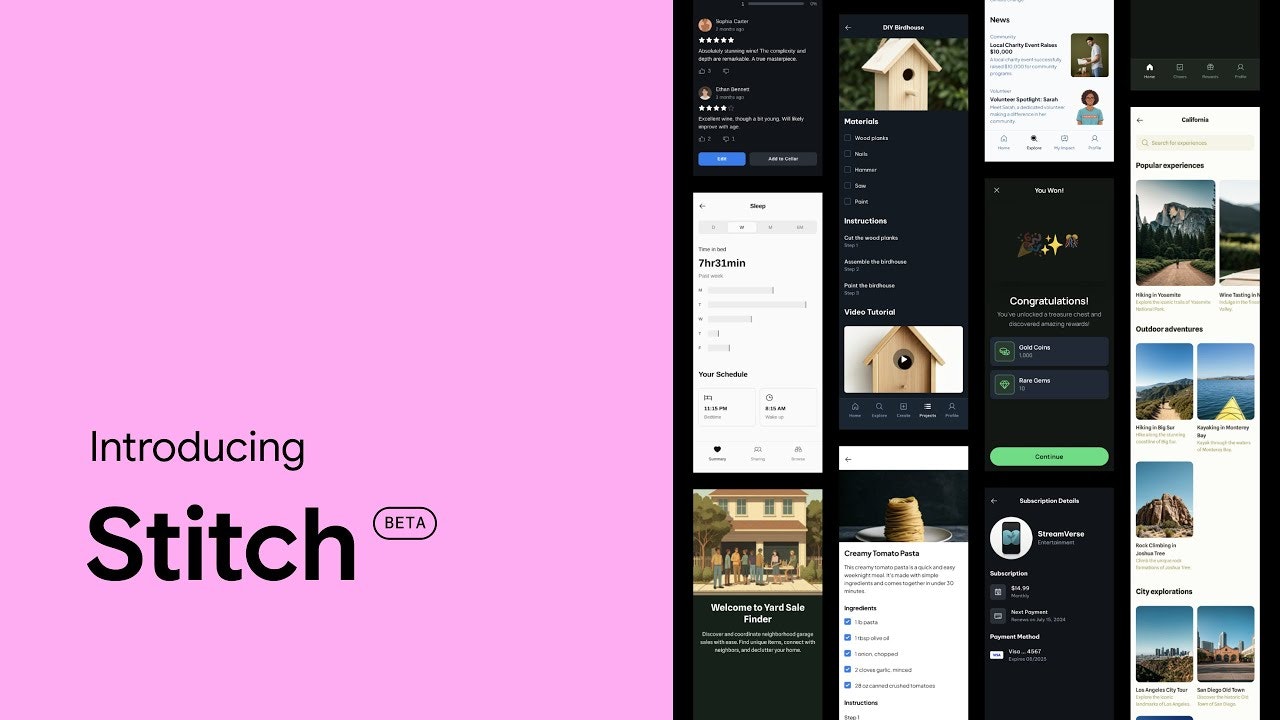
Stitch by Google is an AI-native UI creation workflow that turns rough sketches or text descriptions into editable designs and production-oriented code, with an agent (Hatter) orchestrating multi-step design tasks and supporting outputs like App Store assets and MCP export for downstream tool integration.
📊 Evaluation
AI Native Application Modernization: 85/100
The core value is agent-driven generation and iteration across design and code rather than static templates, enabling faster modernization from idea to implementable UI; the score reflects strong end-to-end automation and export pathways, with remaining risk typically in controllability, design-system fidelity, and engineering-grade code quality across varied stacks.
🔗 Website
https://stitch.withgoogle.com/?ref=producthunt
2. Notion Custom Agents
Ranking: 13
Upvote: 392
🚀 Product Overview
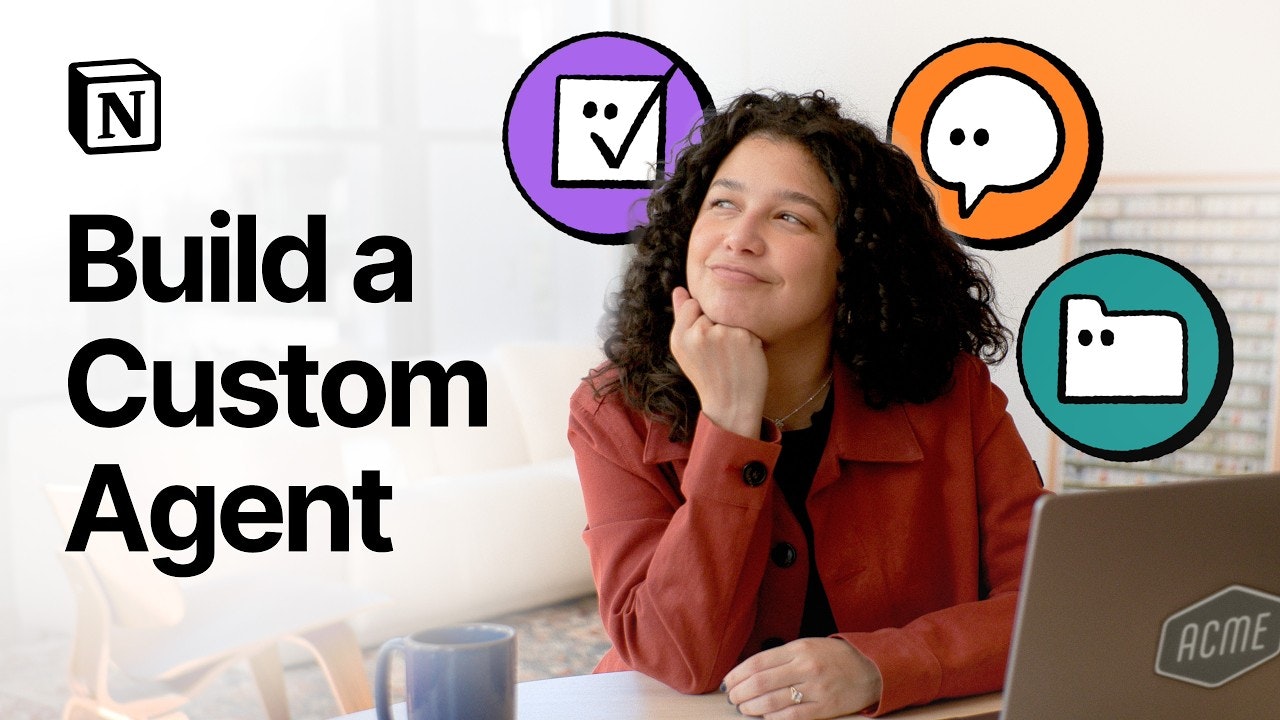
Notion Custom Agents turn Notion into an agentic workspace where autonomous AI teammates can be built to operate directly on pages, databases, and workflows. Teams can assign tasks and set triggers or schedules so agents proactively route issues, update documentation, answer internal questions, draft outputs, and coordinate follow-ups inside Notion rather than relying on manual handoffs.
📊 Evaluation
AI Native Application Modernization: 85/100
The product is AI-native because agents are designed as first-class operators of the workspace with event-driven automation and persistent context across team knowledge. The main modernization gap is governance and observability at scale—teams will need clear controls for permissions, audit trails, reliability, and safe execution when agents take actions that affect shared systems of record.
🔗 Website
https://www.notion.so/?ref=producthunt
3. gpt-realtime-1.5 by OpenAI
Ranking: 21
Upvote: 318
🚀 Product Overview
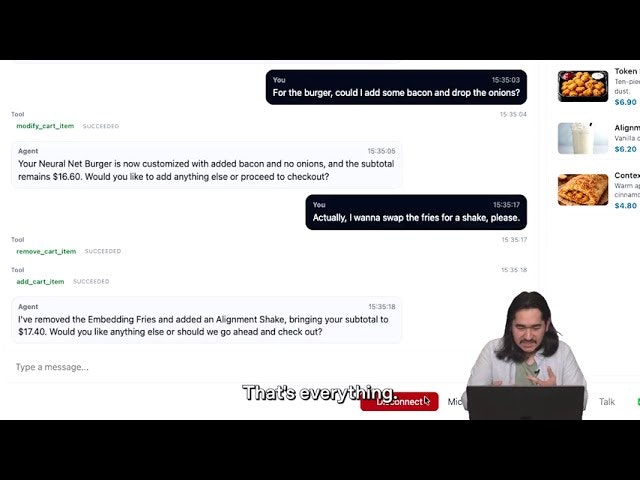
gpt-realtime-1.5 is an AI-native real-time speech model delivered through OpenAI’s Realtime API, designed for building voice agents that can listen, reason, and respond with lower latency while following instructions more consistently. It strengthens core agent behaviors such as tool calling and multilingual understanding, making spoken workflows more dependable for production conversational systems.
📊 Evaluation
AI Native Application Modernization: 92/100
This is a strong example of AI-native modernization because the product’s primary value is the model-driven runtime for real-time interaction, not a wrapper around traditional IVR or voice UX. Higher instruction adherence and more reliable tool invocation directly improve agent orchestration and safety in live conversations, though outcomes still depend on implementation details like prompt design, tool schemas, and monitoring.
🔗 Website
https://openai.com/?ref=producthunt
4. Producer AI by Google Labs
Ranking: 28
Upvote: 260
🚀 Product Overview
Google AI Edge Gallery on iOS showcases an AI-first, fully on-device agent that converts natural voice into real iPhone actions via function calling, enabling offline tasks like creating calendar events, opening maps, and toggling system controls with low latency.
📊 Evaluation
AI Native Application Modernization: 85/100
This is strongly AI-native because the core workflow is model-driven intent understanding and tool execution on-device, reducing reliance on cloud inference and improving privacy; the remaining gap is ecosystem breadth and reliability across diverse intents, which typically requires more tooling coverage, guardrails, and evaluation.
🔗 Website
https://www.google.com/?ref=producthunt
5. theORQL
Ranking: 37
Upvote: 195
🚀 Product Overview
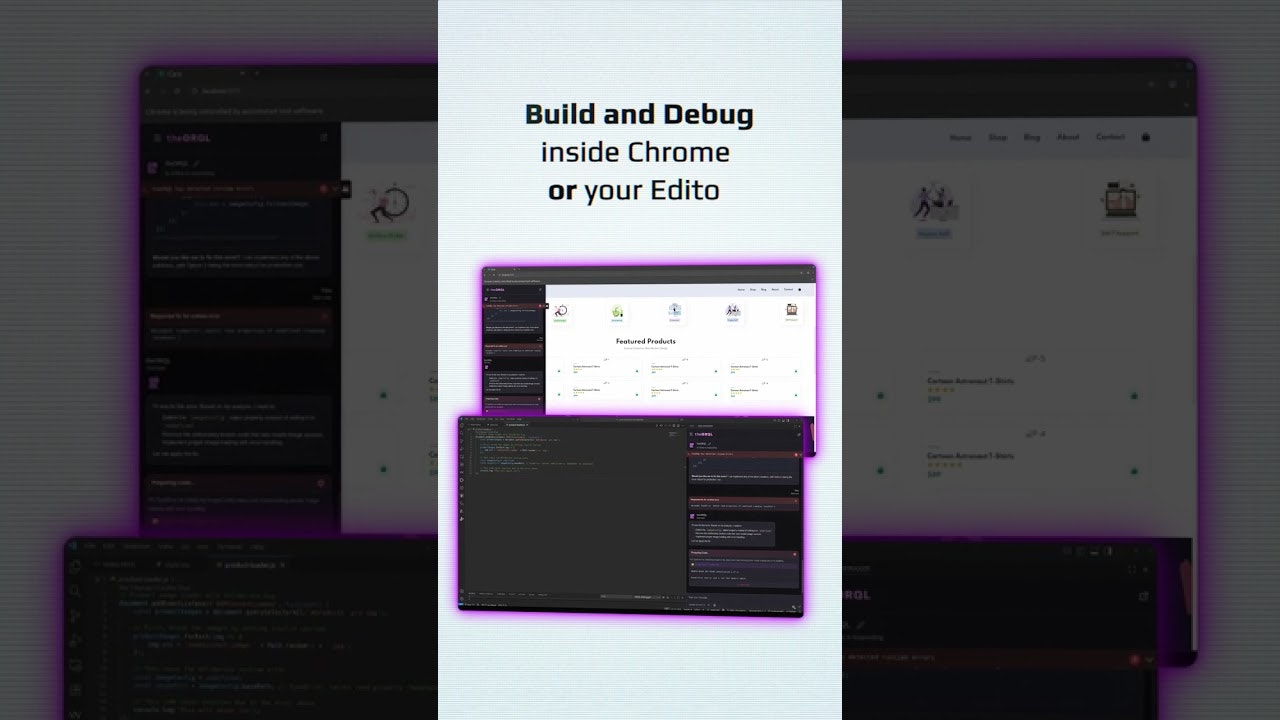
theORQL is an AI-native frontend assistant that uses vision to connect what you see in the browser to the underlying code. It ingests UI screenshots, maps elements to code locations, executes real Chrome interactions to reproduce issues, and then validates the fix visually before producing a reviewable diff inside VS Code/Cursor.
📊 Evaluation
AI Native Application Modernization: 86/100
The core workflow is built around multimodal perception and browser automation, making AI the primary execution layer for diagnosing and fixing UI issues rather than a passive suggestion tool. It modernizes frontend debugging by closing the loop from visual state to code change to in-browser verification, though results will still depend on app structure, selector stability, and testability of interactive flows.
🔗 Website
https://theorql.com/?ref=producthunt
6. Zavi AI – Voice to Action OS
Ranking: 41
Upvote: 174
🚀 Product Overview
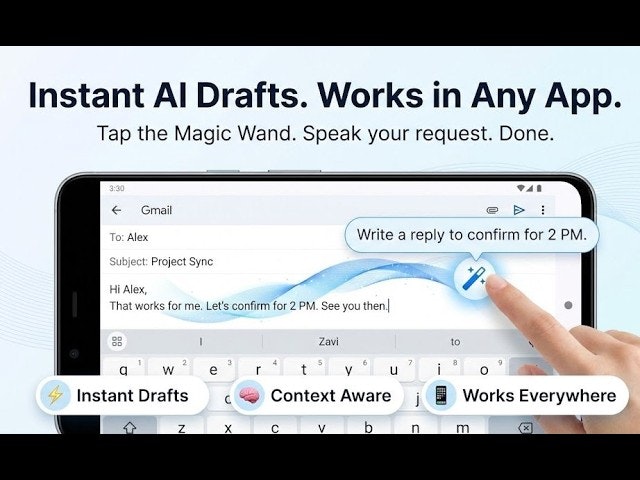
Zavi is an AI-native voice operating layer that turns spoken intent into edits and cross-app actions, not just transcription, working across iOS, Android, and desktop to type with cleaned-up grammar, rewrite selected text in place, and execute commands like sending emails or posting to Slack inside the apps you already use.
📊 Evaluation
AI Native Application Modernization: 86/100
Zavi modernizes interaction by treating voice as a primary control plane for applications, combining real-time language understanding with action execution across third-party tools; the core value depends on AI-driven intent parsing and context-aware rewriting, though reliability and permission handling across many integrations will determine enterprise-grade robustness.
🔗 Website
https://www.zavivoice.com/?ref=producthunt
Statement: Evaluation results are generated by AI, lack of data support, reference learning only.