AI Native Weekly Newsletter: 12 June 2026
Contents
Anthropic Launches Claude Fable 5 and Mythos 5
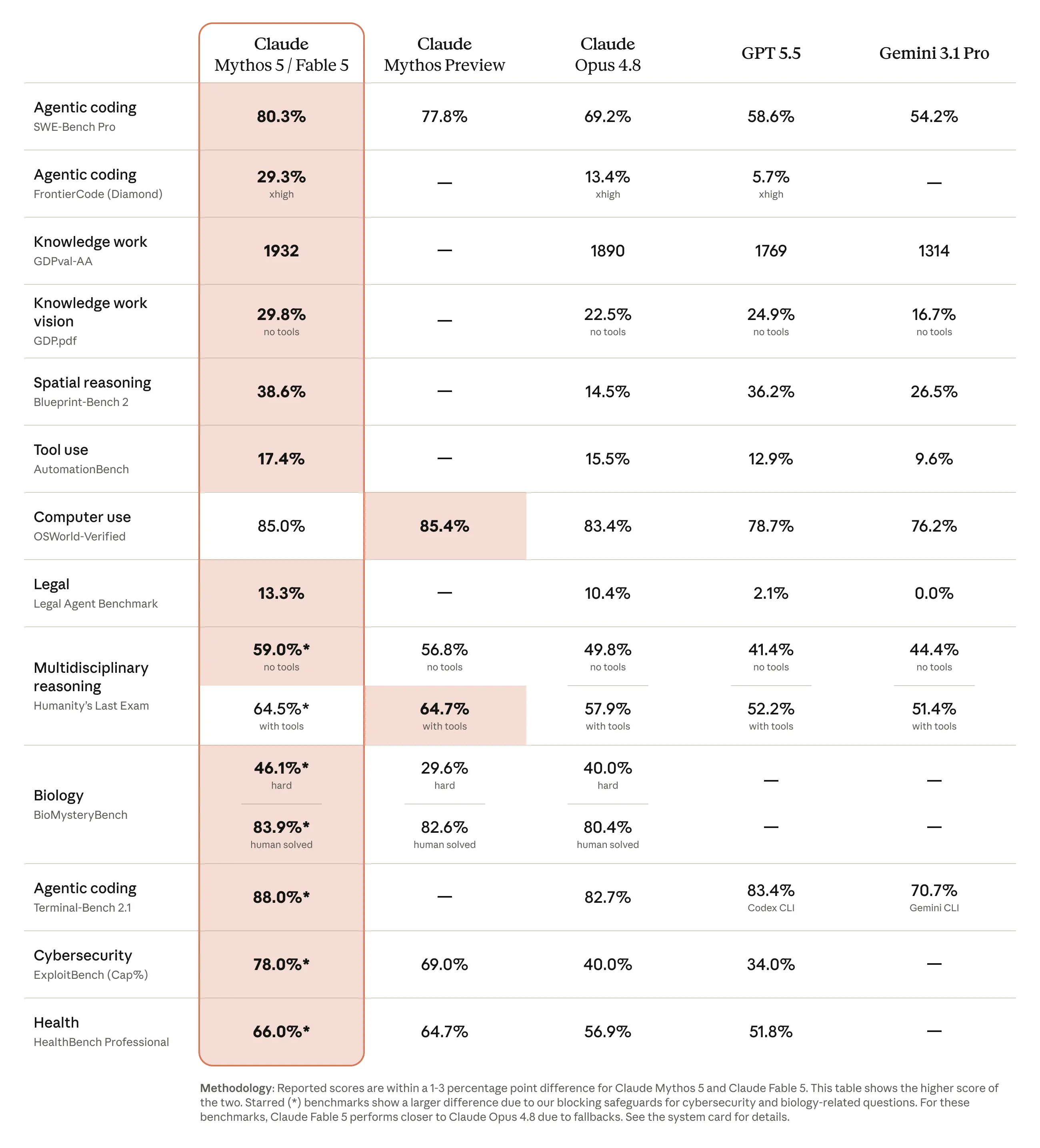
Anthropic announced Claude Fable 5, the first publicly available Mythos-class model featuring state-of-the-art performance in software engineering, knowledge work, and vision tasks. The model includes built-in safeguards that block responses in high-risk areas like cybersecurity and biology, instead routing to Claude Opus 4.8 for safety. Concurrently, Anthropic launched Claude Mythos 5 for trusted partners in the Glasswing program, providing unrestricted access to advanced capabilities for cybersecurity professionals. Both models represent a significant jump in capability over previous versions and are priced at $10 per million input tokens and $50 per million output tokens.
Apple Expands Private Cloud Compute to Google Cloud

Apple announced it is expanding Private Cloud Compute beyond its own data centers to Google Cloud, using NVIDIA GPUs to run new Apple Intelligence workloads. The collaboration extends Apple’s privacy protections to third-party data centers for the first time, utilizing NVIDIA Confidential Computing with NVIDIA GPUs, Intel CPUs with TDX, and Google’s Titan chip. Apple worked with Google to leverage Gemini model technologies for building next-generation Apple Foundation Models, with the most demanding tasks including agentic tool-use and complex reasoning running on NVIDIA GPUs in Google Cloud while maintaining Apple’s security and privacy protections.
Google Launches Gemini 3.5 Live Translate
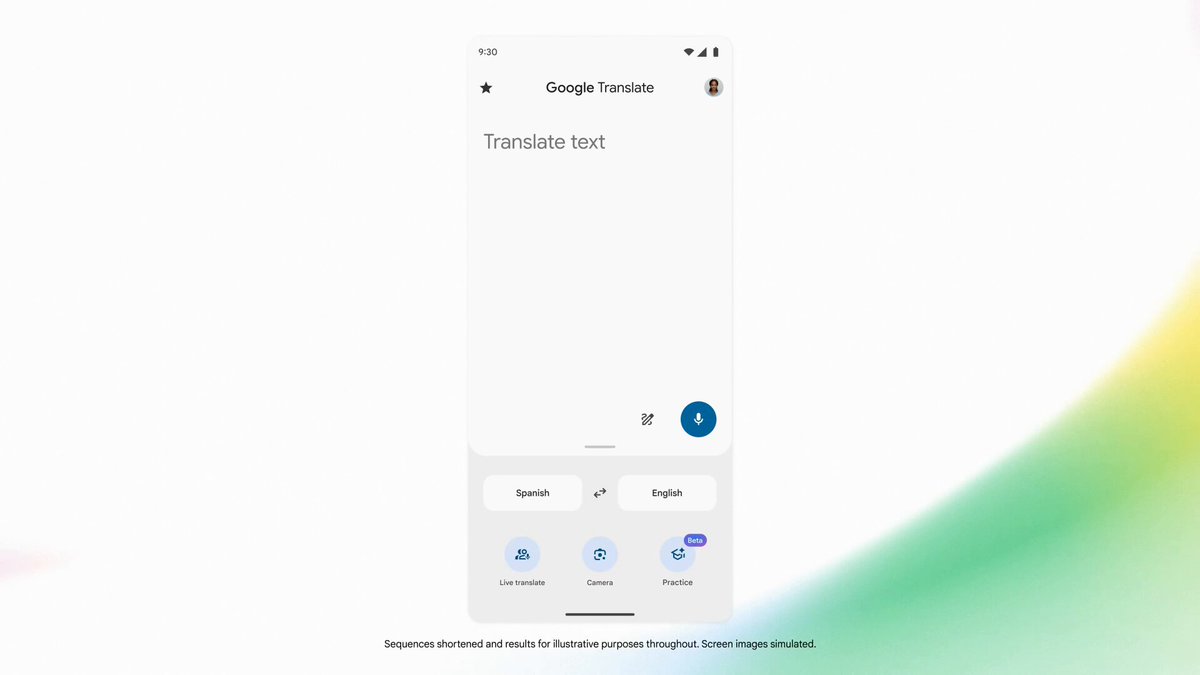
Google announced the release of Gemini 3.5 Live Translate, a new audio model that provides live speech-to-speech translation in over 70 languages. The model generates continuous translated speech while preserving speaker intonation, pacing, and pitch, staying just seconds behind the speaker throughout sessions. The technology is rolling out to Google Translate on Android and iOS, Google Meet with expanded language support, and is available to developers through the Gemini Live API and Google AI Studio. All generated audio includes SynthID watermarks for AI content detection.
Xiaomi Pushes 1T MiMo Past 1,000 TPS
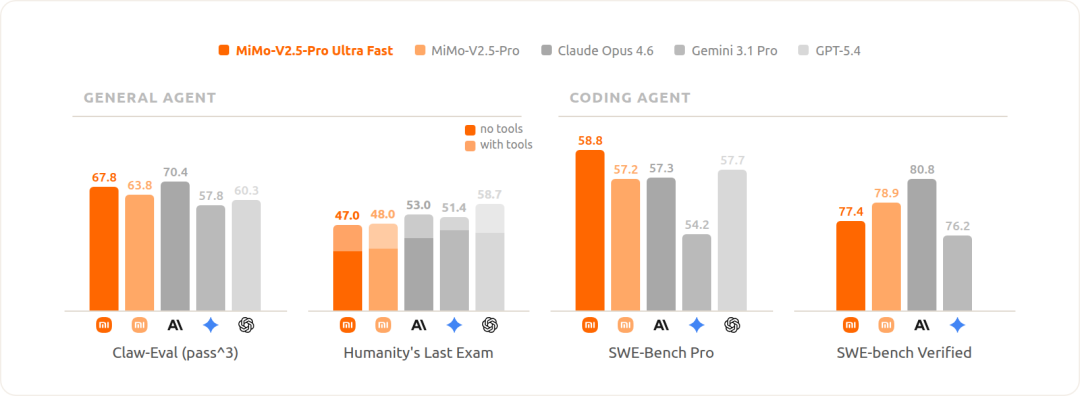
Xiaomi and TileRT jointly announced the MiMo-V2.5-Pro-UltraSpeed mode, marking the first time a trillion-parameter model has exceeded 1000 tokens per second in output speed. The breakthrough was achieved through co-design optimization including FP4 quantization for MoE experts and DFlash speculative decoding with block-level masked parallel prediction, running on standard 8-GPU nodes. The UltraSpeed API is now available through an application-based limited release from June 9 to June 23, 2026, priced at 3x the standard MiMo-V2.5-Pro rate while delivering approximately 10x faster output. Over 3000 enterprises and developers from various industries including law, finance, logistics, and automotive manufacturing applied for trial access within 12 hours of the announcement.
Cognition Launches FrontierCode for Mergeable AI Code
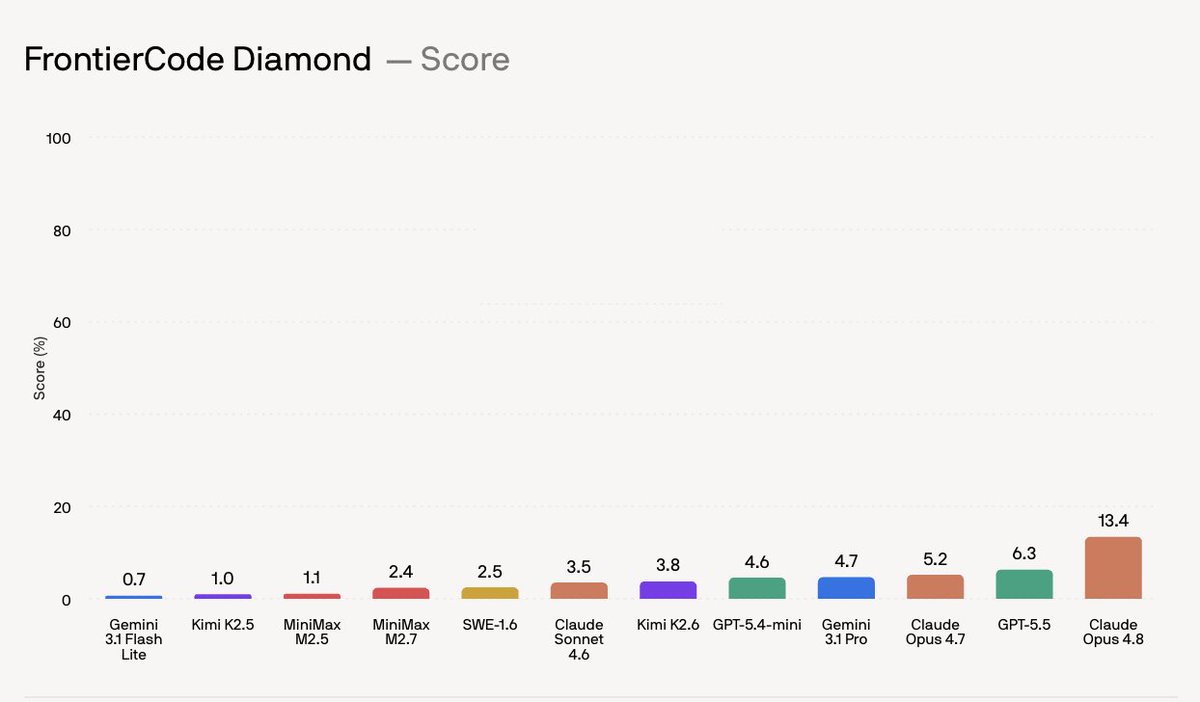
Cognition introduces FrontierCode, a new AI coding benchmark developed with 36 open-source maintainers who each invested over 40 hours per task. Unlike traditional benchmarks that focus on functional correctness, FrontierCode measures whether AI-generated code would actually be accepted by human maintainers for production codebases. The benchmark evaluates code along six axes including behavioral correctness, regression safety, mechanical cleanliness, test correctness, scope discipline, and code quality. Initial results show that over half of outputs passing earlier SWE-Bench tests fall short on mergeability standards, with even advanced models like Anthropic’s Claude Opus 4.8 scoring only 13.4% on the most difficult Diamond tasks.
ResNet Wins CVPR 2026 Longuet-Higgins Prize
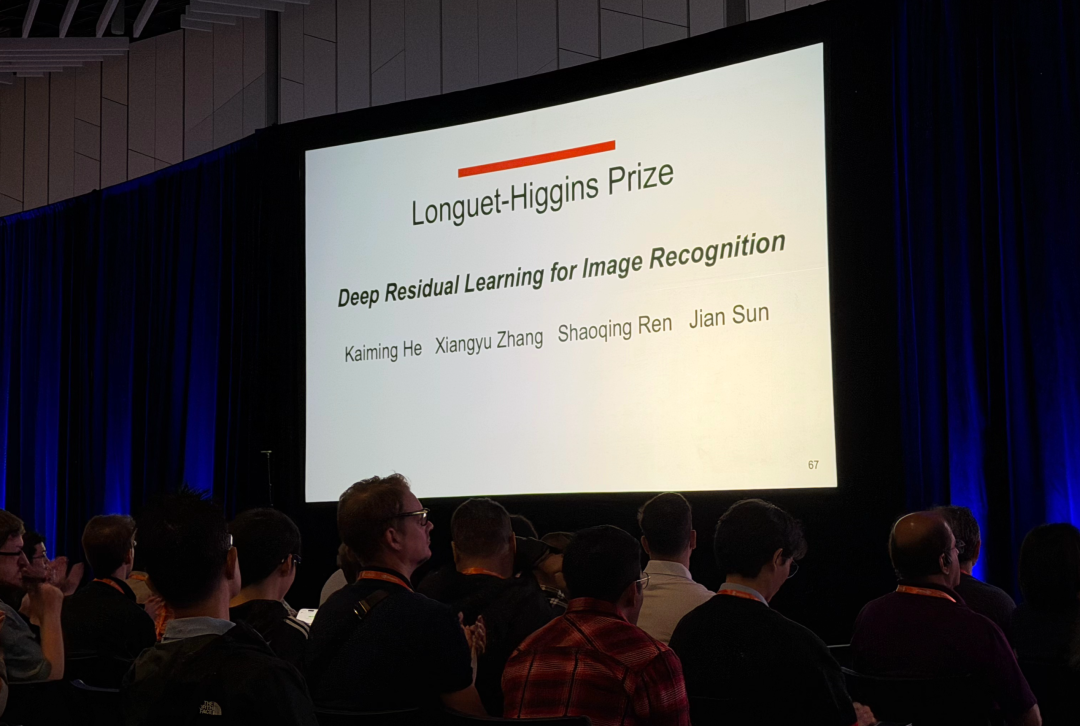
CVPR 2026 announced that the 2015 paper Deep Residual Learning for Image Recognition (ResNet), co-authored by Kaiming He, Xiangyu Zhang, Shaoqing Ren, and Jian Sun, has received the Longuet-Higgins Prize. The prize recognizes research that has demonstrated long-term impact on both academic research and industrial development in computer vision. ResNet introduced residual learning to solve deep neural network training challenges and has become a foundational architecture in modern deep learning, with over 320,000 citations making it the most cited paper of the 21st century. The residual connection concept has expanded beyond computer vision to natural language processing, speech, multimodal systems, and other AI domains.