AI Native Product Insights – 2026W26
Based on Product Hunt data, we’ve curated a selection of AI Native applications that demonstrate how AI is being built into the core of modern products. These AI Native solutions showcase new developments in functionality and are exploring fresh ways of human-AI interaction. Let’s dive into these AI Native applications.
1. Tencent EdgeOne Makers
Ranking: 1
Upvote: 711
🚀 Product Overview
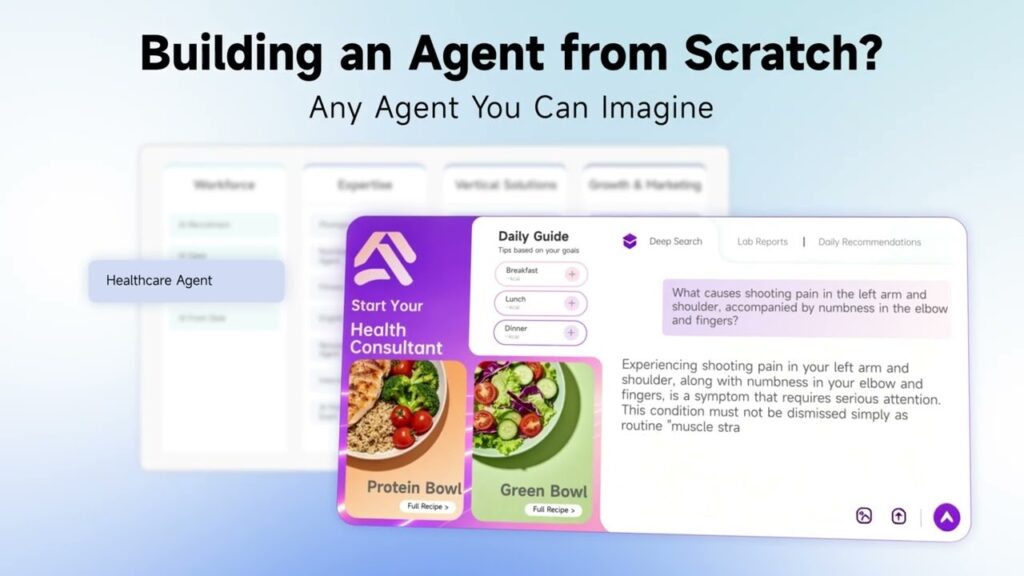
Tencent EdgeOne Makers is an edge deployment platform built to ship AI agents as first-class web applications, combining an agent runtime with sandboxed tools, memory, observability, and model gateway access. It supports familiar developer workflows (CLI, Git, CI/CD) and bundles serverless functions and storage so teams can launch or embed agent-driven experiences without assembling separate infrastructure components.
📊 Evaluation
AI Native Application Modernization: 89/100
The platform treats agent execution as the core runtime rather than an add-on, with integrated tool sandboxing, memory, and monitoring that reduce the glue work typically needed for production agents. The high score reflects strong end-to-end delivery for modernizing apps into agent-centric systems, with some dependency on the platform’s provided gateways and operational model for maximum leverage.
🔗 Website
https://edgeone.ai/
2. OpenArt Director
Ranking: 9
Upvote: 457
🚀 Product Overview
OpenArt Director is an AI-native filmmaking workflow where a conversational agent acts as the creative director, turning chat instructions into multi-scene cinematic videos up to five minutes while preserving character identity, visual style, voice, and music continuity across the entire story.
📊 Evaluation
AI Native Application Modernization: 87/100
The product centers the model-driven director as the primary interface for story planning, scene orchestration, and iterative refinement, which makes AI the core system of record for creative decisions; the main gaps are likely around production-grade controls, repeatability, and integration with professional editing pipelines.
🔗 Website
https://openart.ai/

3. discode.ai
Ranking: 19
Upvote: 319
🚀 Product Overview
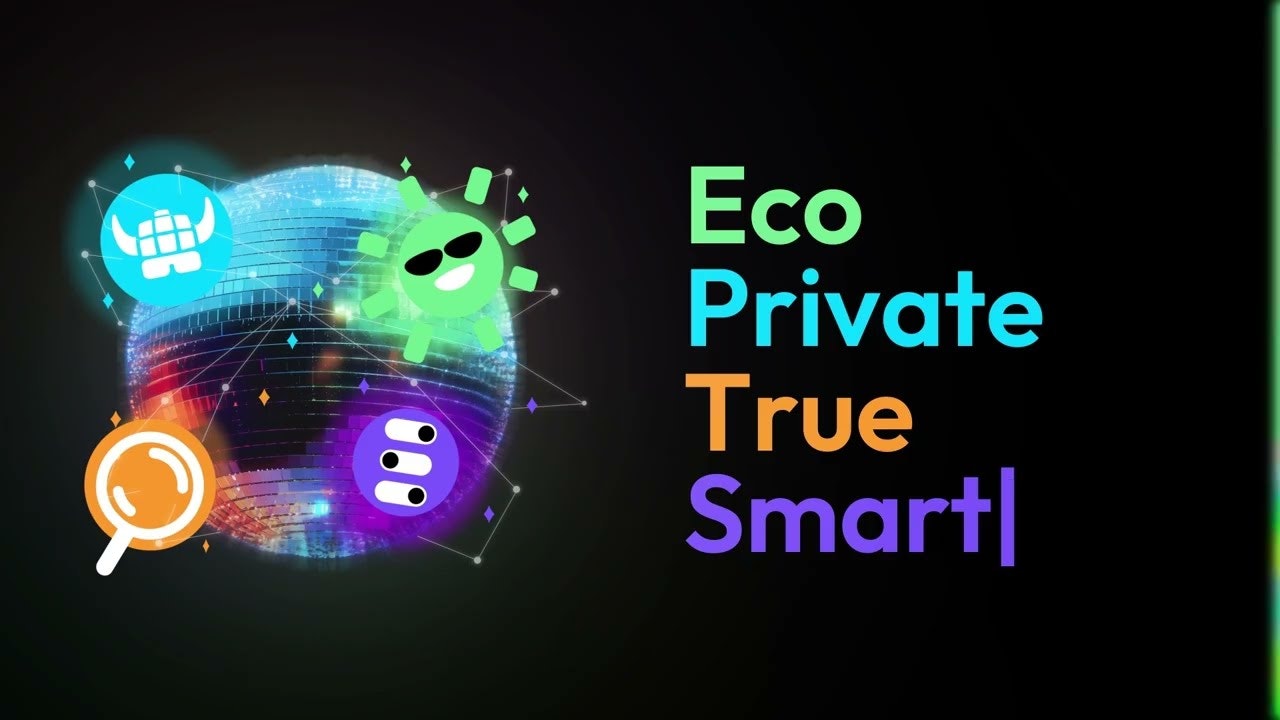
discode.ai is an AI routing layer that unifies access to 100+ foundation models and automatically selects the best model per prompt based on quality, speed, and eco preferences. It adds governance-grade transparency by explaining which model responded and why, performs on-device PII redaction before requests leave the device, cross-checks difficult answers across models, and reports estimated CO₂, water, and energy impact per request.
📊 Evaluation
AI Native Application Modernization: 88/100
This is AI-native because routing, verification, and telemetry are the core product loop rather than an add-on, enabling teams to operationalize multi-model usage with policy, privacy, and cost/sustainability signals. The score reflects strong end-to-end design (selection, explainability, privacy, and evaluation), with room to prove enterprise-scale controls and measurable gains across varied real-world workloads.
🔗 Website
https://discode.ai/
4. QApilot’s CoWork
Ranking: 23
Upvote: 310
🚀 Product Overview
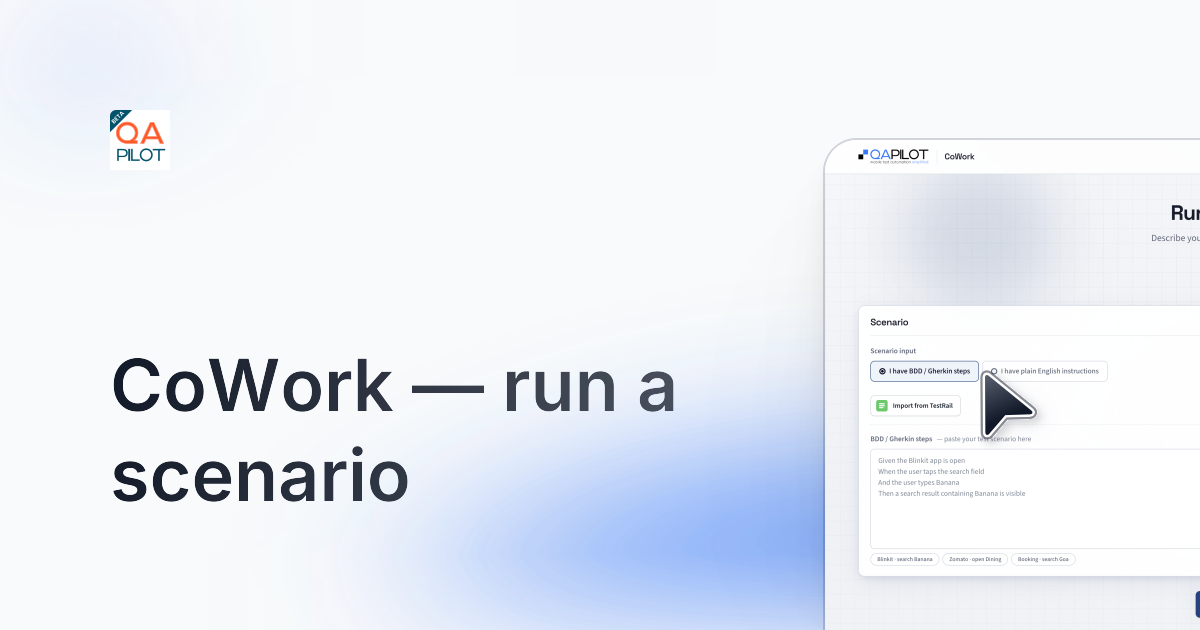
CoWork converts existing manual or scripted test cases into runnable mobile automation by using an AI agent to plan steps, adapt when the app state changes, and execute on real devices across iOS, Android, and Flutter, with a human-in-the-loop approval flow to keep results trustworthy for QA teams.
📊 Evaluation
AI Native Application Modernization: 86/100
The core workflow is agentic: the system plans, replans, and drives device execution rather than merely generating code snippets, which makes it AI-native for modernizing mobile QA. The score is held back mainly by the practical need for approvals and environment setup, which can limit full autonomy in complex apps and CI pipelines.
🔗 Website
https://qapilot.io/product/cowork
5. Persona.js
Ranking: 31
Upvote: 241
🚀 Product Overview
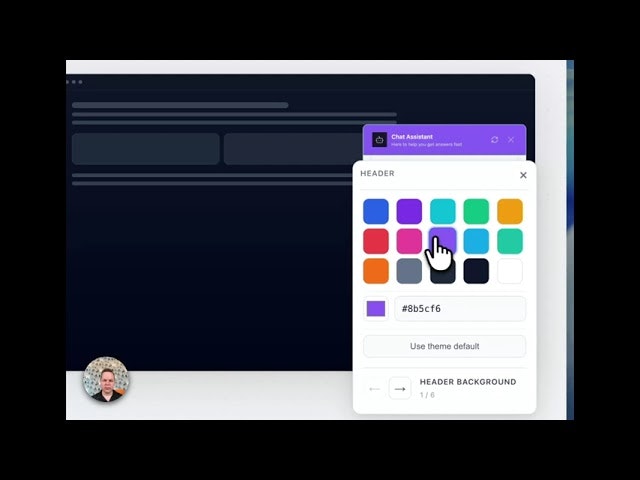
Persona.js is an open-source, framework-free chat UI that can be embedded into any website to deliver an AI copilot experience with streaming, voice, and theming. Built to be WebMCP-native and backend-agnostic, it lets the assistant discover and invoke tools exposed by the host page, reducing the need for custom glue code or one-off API layers when adding AI interactions to existing frontends.
📊 Evaluation
AI Native Application Modernization: 86/100
Persona.js supports AI-native modernization by making tool-use and in-page actions a first-class capability via WebMCP, rather than treating chat as a standalone widget. The architecture fits incremental adoption across static sites and modern apps, but overall outcomes still depend on the quality of tool exposure, permissions, and model/runtime integration handled by the host environment.
🔗 Website
https://www.persona-chat.dev/
Statement: Evaluation results are generated by AI, lack of data support, reference learning only.