AI Native Product Insights – 2026W28

Based on Product Hunt data, we’ve curated a selection of AI Native applications that demonstrate how AI is being built into the core of modern products. These AI Native solutions showcase new developments in functionality and are exploring fresh ways of human-AI interaction. Let’s dive into these AI Native applications.
1. Sim
Ranking: 5
Upvote: 659
🚀 Product Overview
Sim is an open-source workspace where AI agents are built, connected to data, and operated as ongoing workflows, combining chat-based agent generation, a visual canvas, and code-first control with 1,000+ integrations and support for major LLMs, plus shared context across tables, knowledge bases, and files for persistent memory.
📊 Evaluation
AI Native Application Modernization: 94/100
Strong AI-native architecture: agent planning and execution are the core runtime, with deterministic steps and code used to reduce unnecessary tool-call tokens, while integrations and shared data primitives enable real modernization of ops and internal automation; the main modernization lift still sits in governance setup, environment management, and production monitoring that teams must operationalize.
🔗 Website
https://www.sim.ai/
2. ChatGPT Work
Ranking: 35
Upvote: 252
🚀 Product Overview
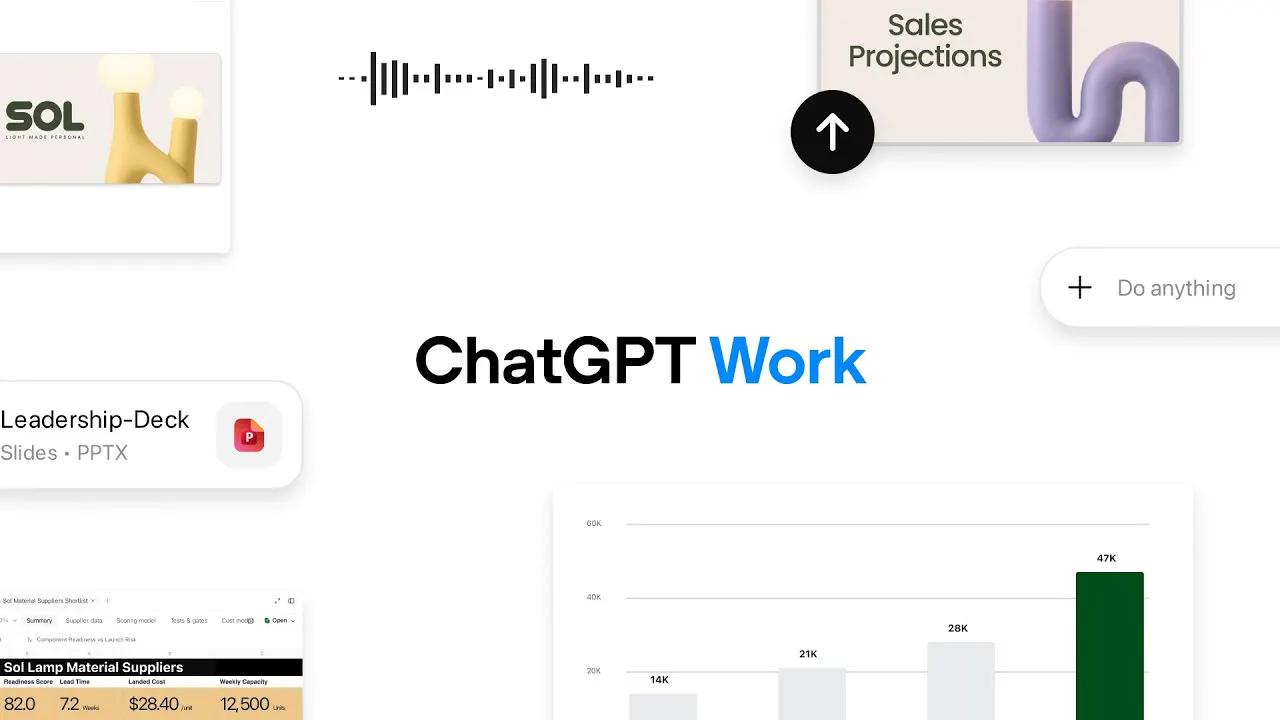
ChatGPT Work is an AI-native work companion that unifies chat, agentic task execution, and coding workflows across mobile, desktop, and web, with deep access to local files, apps, and a built-in browser plus integrations like Slack, Google Workspace, Microsoft tools, and Salesforce to move work from intent to concrete outputs.
📊 Evaluation
AI Native Application Modernization: 90/100
It modernizes work execution by making the LLM the primary control plane for planning, transforming, and automating tasks (including scheduled runs) across disparate systems, while features like Sites and embedded coding (Codex) turn prompts into interactive artifacts; the main constraints are governance, reliability, and organizational rollout complexity when granting broad tool and file access.
🔗 Website
https://openai.com/index/chatgpt-for-your-most-ambitious-work
3. PopTask for Apple
Ranking: 66
Upvote: 153
🚀 Product Overview
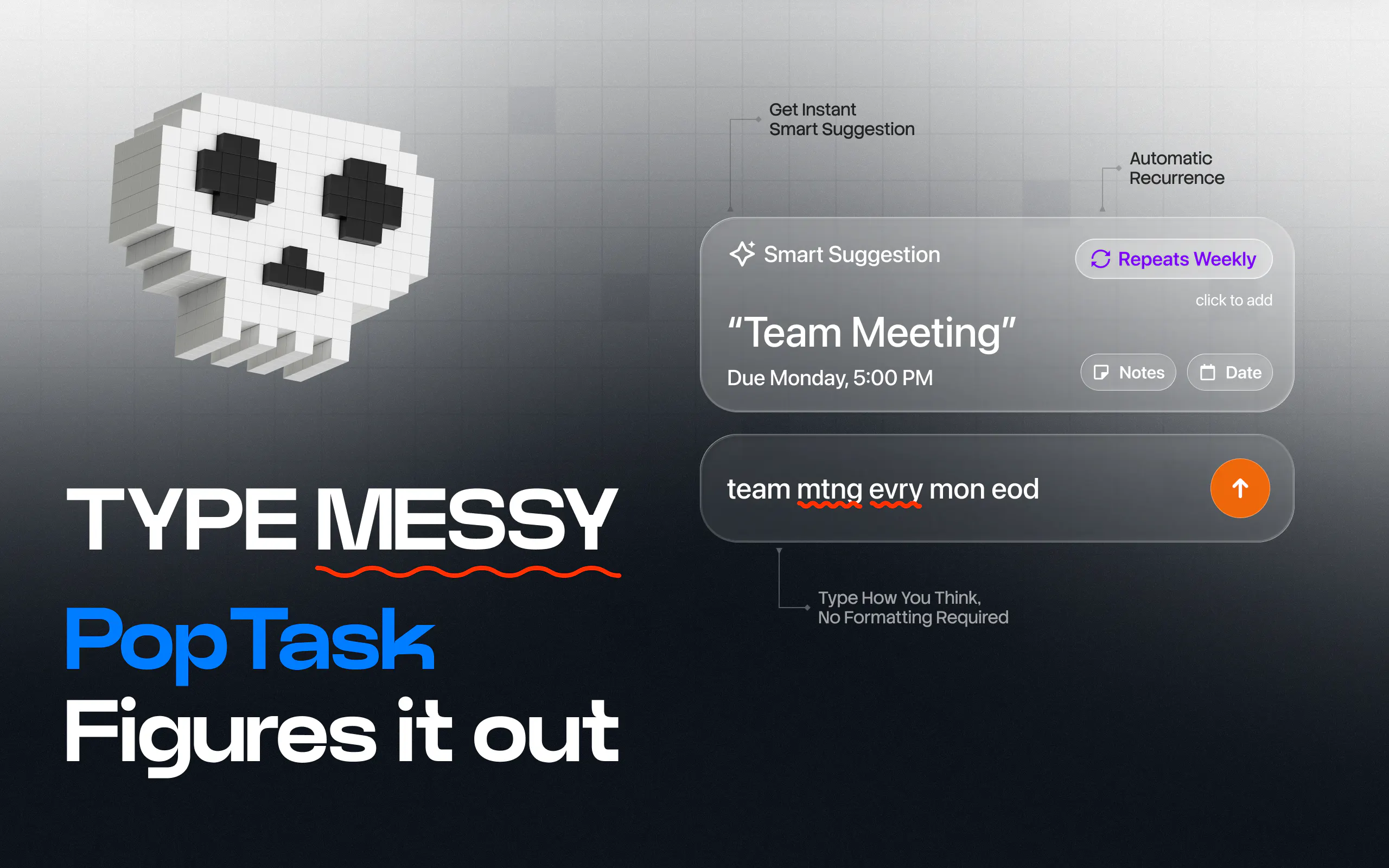
PopTask is an Apple-first task capture app where AI parsing is the core workflow: you type messy, natural shorthand and it turns it into a scheduled task with date, time, recurrence, reminders, and optional step breakdowns in seconds, available across Mac, iPhone, and iPad with widgets, Siri entry, and iCloud sync.
📊 Evaluation
AI Native Application Modernization: 89/100
The product replaces form-based task creation with an AI-driven intent-to-structure system, emphasizing speed, multilingual messy-input understanding, and privacy via on-device processing where possible plus encrypted iCloud sync; the remaining gap is that reliability and edge-case transparency of the parser will determine how consistently the AI can be trusted as the primary interface.
🔗 Website
https://poptask.bar/
4. Mispher
Ranking: 90
Upvote: 102
🚀 Product Overview
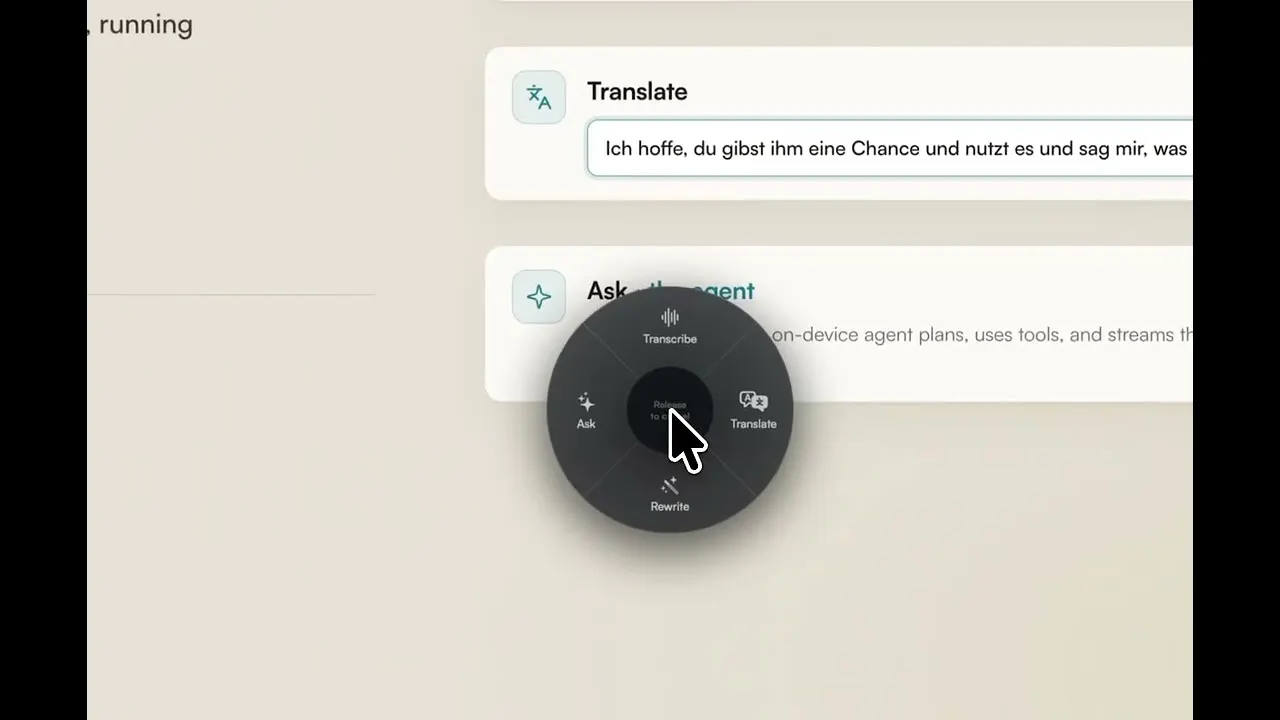
Mispher is a Mac-first, on-device dictation and agentic transcription system that turns speech into actions: insert text into any focused field, rewrite selected text in place, translate spoken input, or route requests to a local agent that can plan and use tools like Notes, clipboard, and files, plus user-connected MCP servers—without accounts, telemetry, API keys, or cloud dependencies.
📊 Evaluation
AI Native Application Modernization: 92/100
The product is strongly AI-native because recognition, rewriting/translation, and the tool-calling agent are the core workflow rather than an add-on, and the on-device model stack plus granular tool-approval policies modernize dictation into a governed automation layer across apps; the main constraints are platform specificity (Apple Silicon/macOS) and the practical complexity of model/tool configuration for less technical users.
🔗 Website
https://mispher.com/
5. On-Device Field Extraction by Veryfi
Ranking: 91
Upvote: 97
🚀 Product Overview
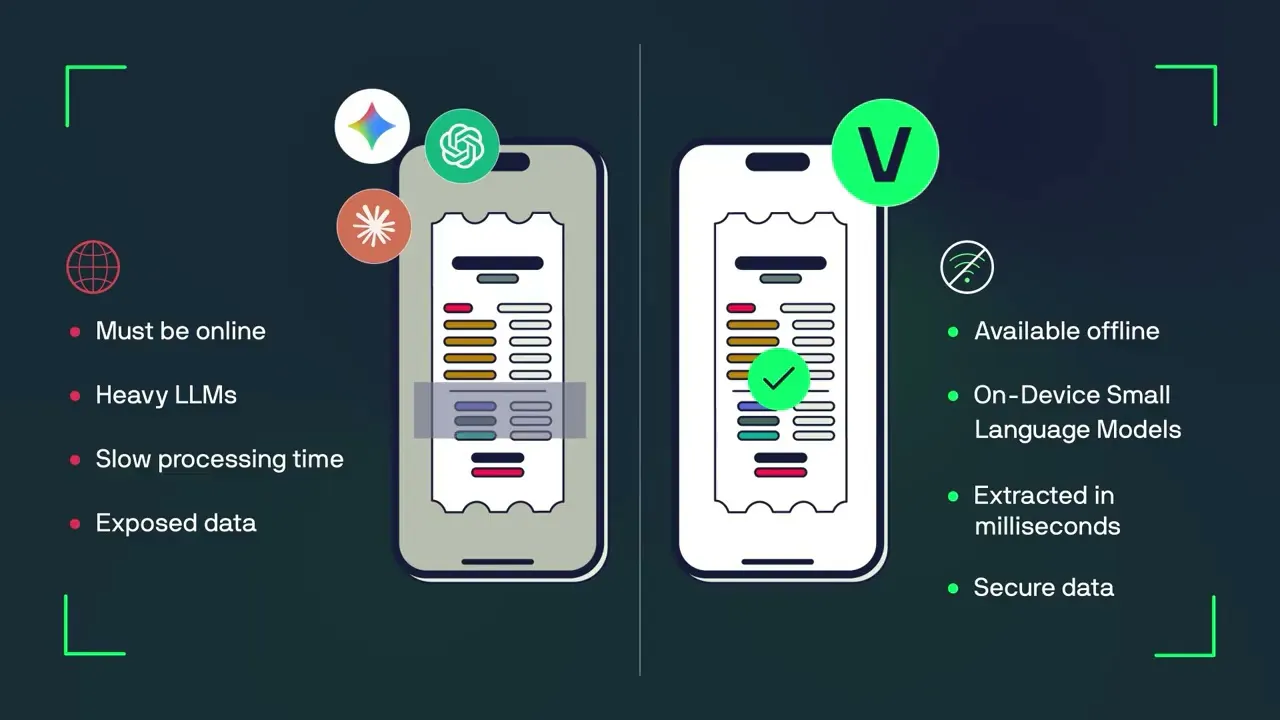
Veryfi brings receipt/document field extraction and validation directly onto the device at capture time, checking key fields like vendor, date, and total before submission. By running the model offline with no server round trip, it reduces delayed rejections, minimizes manual follow-up, and delivers cleaner structured data into downstream systems such as expense, loyalty, and cashback workflows.
📊 Evaluation
AI Native Application Modernization: 90/100
This is strongly AI-native because the core workflow depends on on-device ML inference for real-time document understanding and validation, not a post-processing backend step. Modernization is high due to offline-first execution, latency and privacy advantages, and shifting quality control to the moment of capture, though outcomes still hinge on model robustness across varied receipt formats and device constraints.
🔗 Website
https://www.veryfi.com/
Statement: Evaluation results are generated by AI, lack of data support, reference learning only.