AI Native Product Insights – 2026W33

Based on Product Hunt data, we’ve curated a selection of AI Native applications that demonstrate how AI is being built into the core of modern products. These AI Native solutions showcase new developments in functionality and are exploring fresh ways of human-AI interaction. Let’s dive into these AI Native applications.
1. Ito
Ranking: 4
Upvote: 445
🚀 Product Overview
Ito is a runtime-centric AI code review system that automatically builds a PR in an isolated container, generates a targeted test plan from context (diff, PR description, tickets, and prompts), then drives the running app with multiple agents to reproduce flows, call APIs, and validate databases while capturing evidence like logs, screenshots, and video.
📊 Evaluation
AI Native Application Modernization: 88/100
Ito treats AI as the core reviewer by executing the application and coordinating agent-driven verification rather than only analyzing static code, which makes it strong at catching behavioral issues (auth, migrations, failure handling, concurrency) and producing actionable artifacts on the PR; key adoption considerations are environment/credential governance, determinism of runtime results, and coverage limits when external services cannot be accessed and must be mocked.
🔗 Website
https://ito.ai/

2. Tines 3B
🏅 Product Hunt Data
Ranking: 5
Upvote: 414
🚀 Product Overview
Tines 3B is an AI-native, code-first environment designed to safely build and run agents, apps, and automations created with LLMs and AI coding tools. It focuses on operational control after code generation, offering isolated execution, runtime monitoring, and auditability while preventing credential leakage by injecting secrets at runtime via an external proxy so models and generated code do not directly handle keys.
📊 Evaluation
AI Native Application Modernization: 87/100
Tines 3B treats AI-produced software as a first-class production workload, addressing the common failure mode of ungoverned AI-generated scripts by combining secure secret handling, isolation, and governance into the execution layer. The platform’s strength is shifting from prototype velocity to controlled deployment, though adoption will depend on how seamlessly teams can integrate existing tooling, connectors, and approval processes into the new runtime model.
🔗 Website
3. oqoqo
Ranking: 9
Upvote: 355
🚀 Product Overview
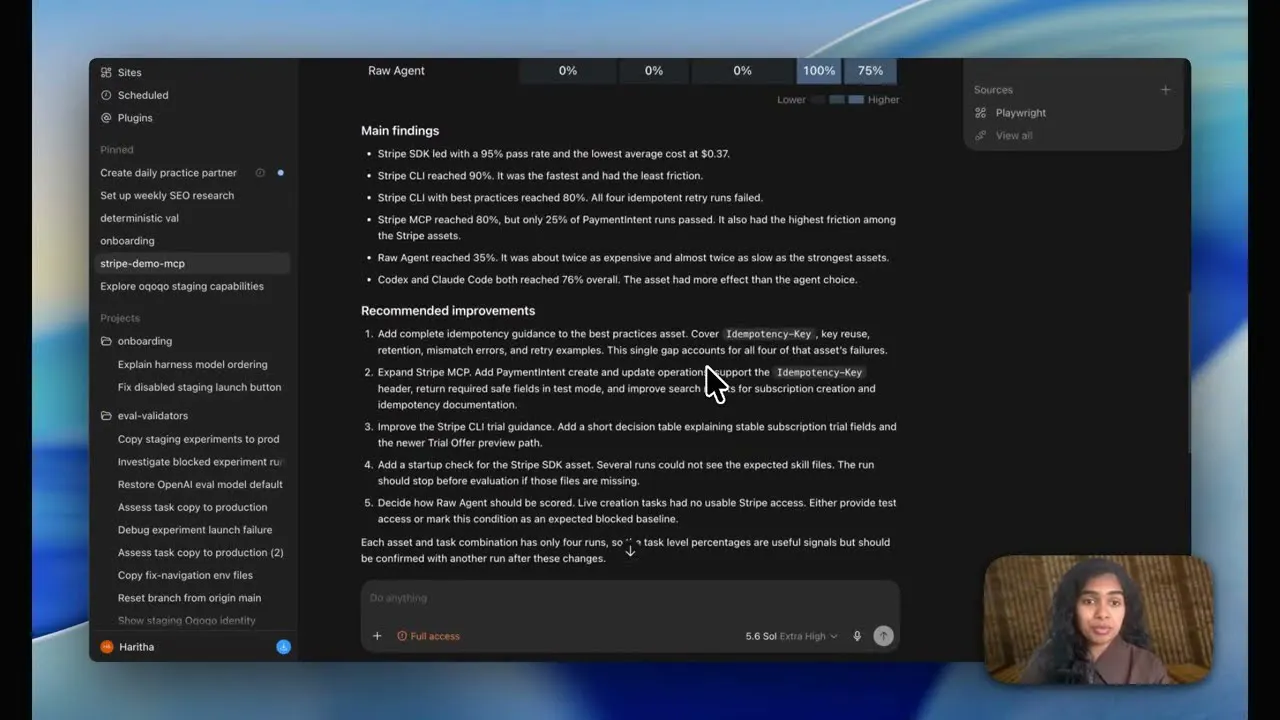
oqoqo is an AI-native evaluation platform for teams building agent-facing products, letting you define realistic user tasks, specify what tools or surfaces to test (e.g., SDK/CLI/MCP), and codify success criteria while the system runs agents in isolated sandboxes, records tool calls and decision traces, and reports outcomes with cost and token usage.
📊 Evaluation
AI Native Application Modernization: 88/100
oqoqo treats AI behavior as the primary workload: it operationalizes agent execution, trace capture, and pass/fail scoring as a repeatable pipeline that supports regression testing across models and harnesses; to strengthen enterprise readiness, teams will likely want deeper integrations with CI, governance controls, and standardized reporting for cross-team benchmarking.
🔗 Website
https://oqoqo.ai/
4. Viktor.com
Ranking: 10
Upvote: 195
🚀 Product Overview
Viktor.com is an autonomous AI employee embedded in Microsoft Teams that can be assigned work via @mentions and then execute end-to-end operations across 3,000+ connected tools, such as reporting, reconciliations, approvals, and recurring workflows, with an emphasis on delivering completed outputs rather than drafts.
📊 Evaluation
AI Native Application Modernization: 87/100
Strong AI-native orientation: the core value is agentic execution inside an existing work surface (Teams) with broad integration coverage and a workflow stance that includes confirmation before irreversible actions, though outcomes will depend on governance, auditability, and reliability across heterogeneous toolchains.
🔗 Website
https://ref.viktor.com/ph_product_page
5. Scrimba Explain
Ranking: 11
Upvote: 322
🚀 Product Overview
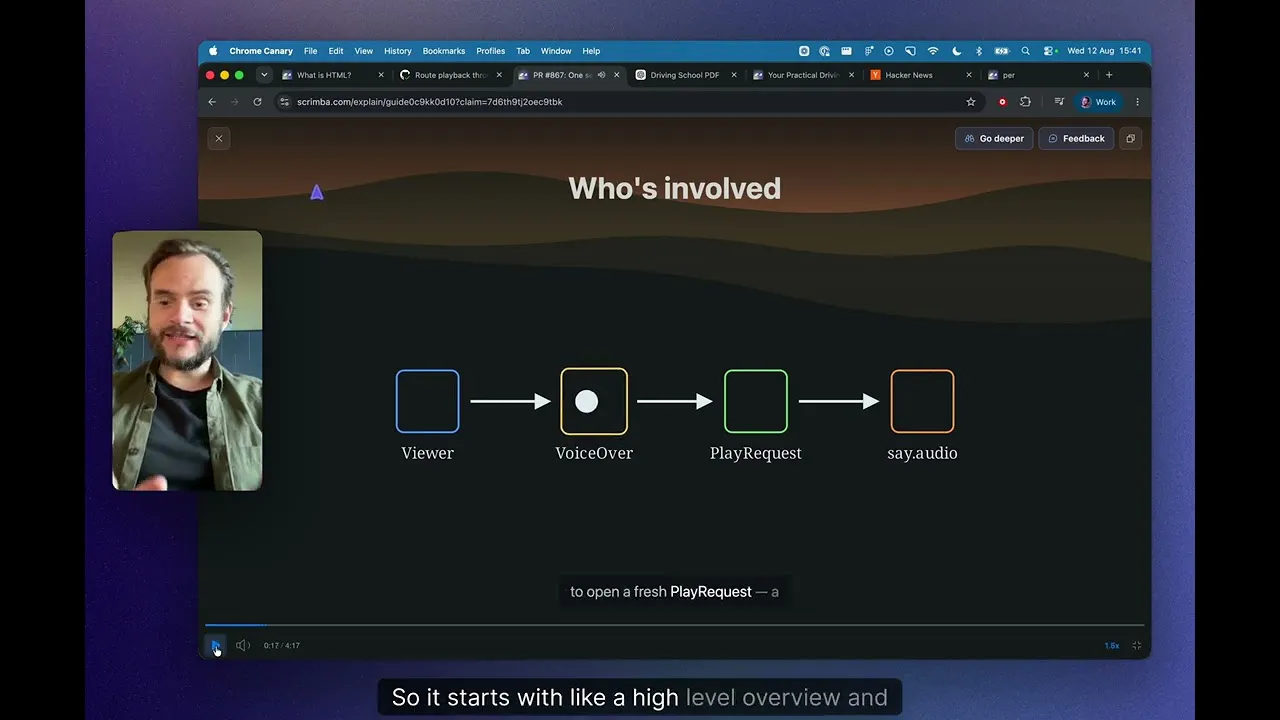
Scrimba Explain is an AI tutor that turns a typed question into a narrated, video-like explanation in seconds, combining code, diagrams, images, and lightweight animations to match how developers learn from walkthroughs rather than text.
📊 Evaluation
AI Native Application Modernization: 88/100
The core experience is generative video-first instruction, not a chatbot wrapper, and it extends into workflows via plugins and integrations (e.g., browser, GitHub PR explainers, and MCP for coding agents), signaling an AI-native system designed for learning and developer collaboration; key execution risks are content accuracy, pedagogy quality, and compute costs as usage scales.
🔗 Website
https://scrimba.com/?via=producthunt&ref=producthunt
Statement: Evaluation results are generated by AI, lack of data support, reference learning only.