AI Native Product Insights – 2026W37
Based on Product Hunt data, we’ve curated a selection of AI Native applications that demonstrate how AI is being built into the core of modern products. These AI Native solutions showcase new developments in functionality and are exploring fresh ways of human-AI interaction. Let’s dive into these AI Native applications.
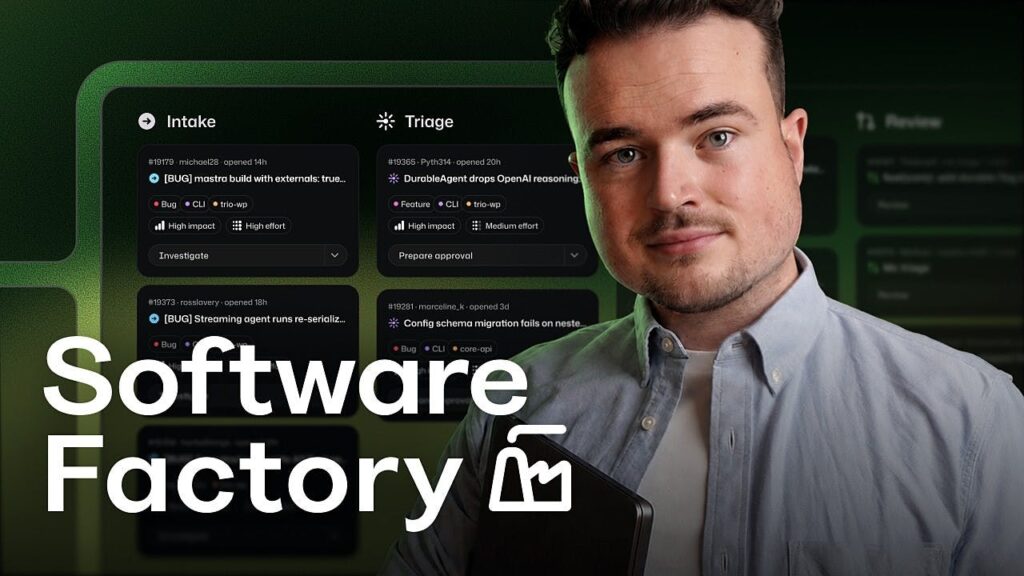
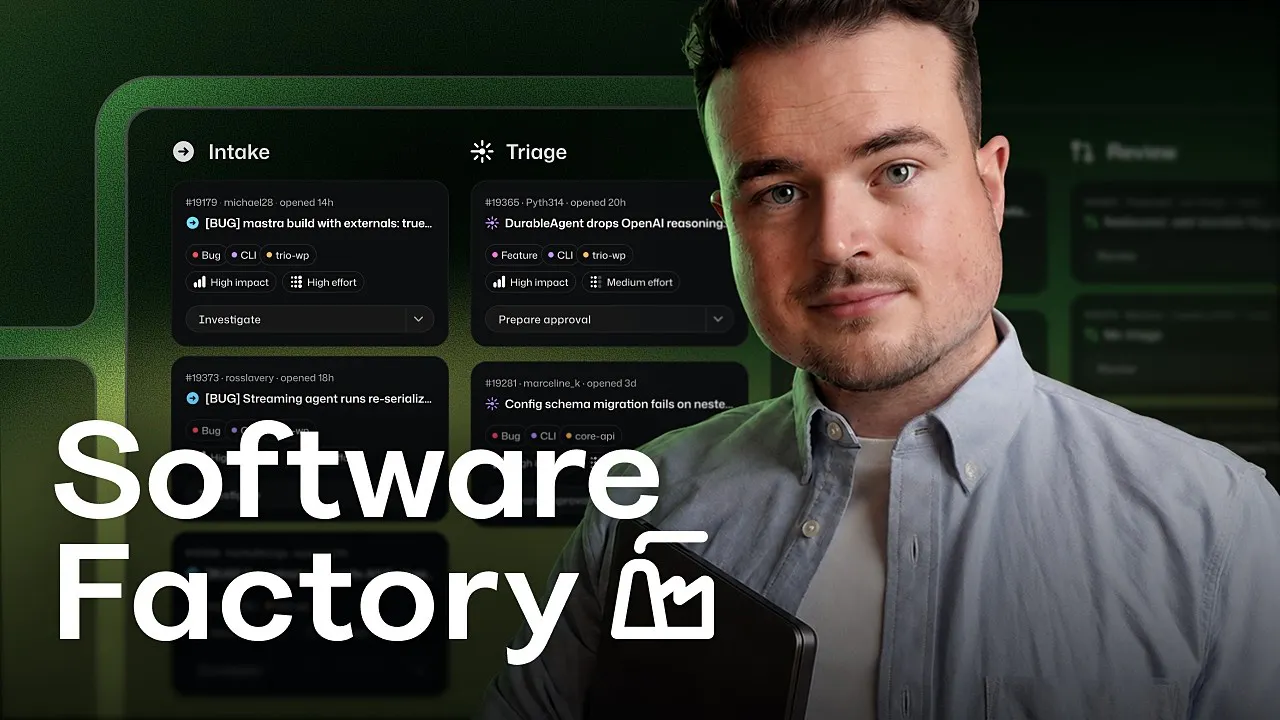
1. Mastra Factory
🏅 Product Hunt Data
Ranking: 1
Upvote: 528
🚀 Product Overview
Mastra Factory is an agent-driven software delivery system built on the Mastra TypeScript agent framework, designed to move work from issue to production with autonomous, code-writing agents. It acts as an “AI factory” that can draft and ship changes via pull requests, aiming to let teams adopt an operational agent workflow without building and maintaining the full agent infrastructure themselves.
📊 Evaluation
AI Native Application Modernization: 87/100
The product is AI-native because agents are the primary execution layer for producing engineering output (e.g., generating PRs) rather than a UI feature bolted onto an existing pipeline. The framing of using the factory to build Mastra itself suggests real production use and feedback loops, though mature governance, review controls, and reliability patterns will determine how broadly it fits regulated or high-risk codebases.
🔗 Website
https://mastra.ai/
2. Raycast 2.0
Ranking: 11
Upvote: 323
🚀 Product Overview
Raycast 2.0 is a keyboard-first command center for macOS that unifies app launching, file search, clipboard, extensions, and AI into one interface. The 2.0 rebuild adds a new indexing engine for faster, broader search, more flexible hotkeys, and an AI layer with screen awareness, shared chat experiences, and context continuity via profiles, memory, agents, and skills, plus built-in dictation and projects/automations.
📊 Evaluation
AI Native Application Modernization: 88/100
Raycast’s AI is integrated as an action-oriented workflow layer rather than a standalone add-on, with context (screen, profile, memory) and modular capabilities (agents, skills, AI extensions) designed to operate across daily tasks. The product modernizes the desktop launcher with performance and UX upgrades while keeping AI close to execution, though its platform scope is constrained to newer macOS requirements and some value depends on external model subscriptions.
🔗 Website
https://raycast.com/

3. ChatGPT Images 2.5
Ranking: 12
Upvote: 321
🚀 Product Overview
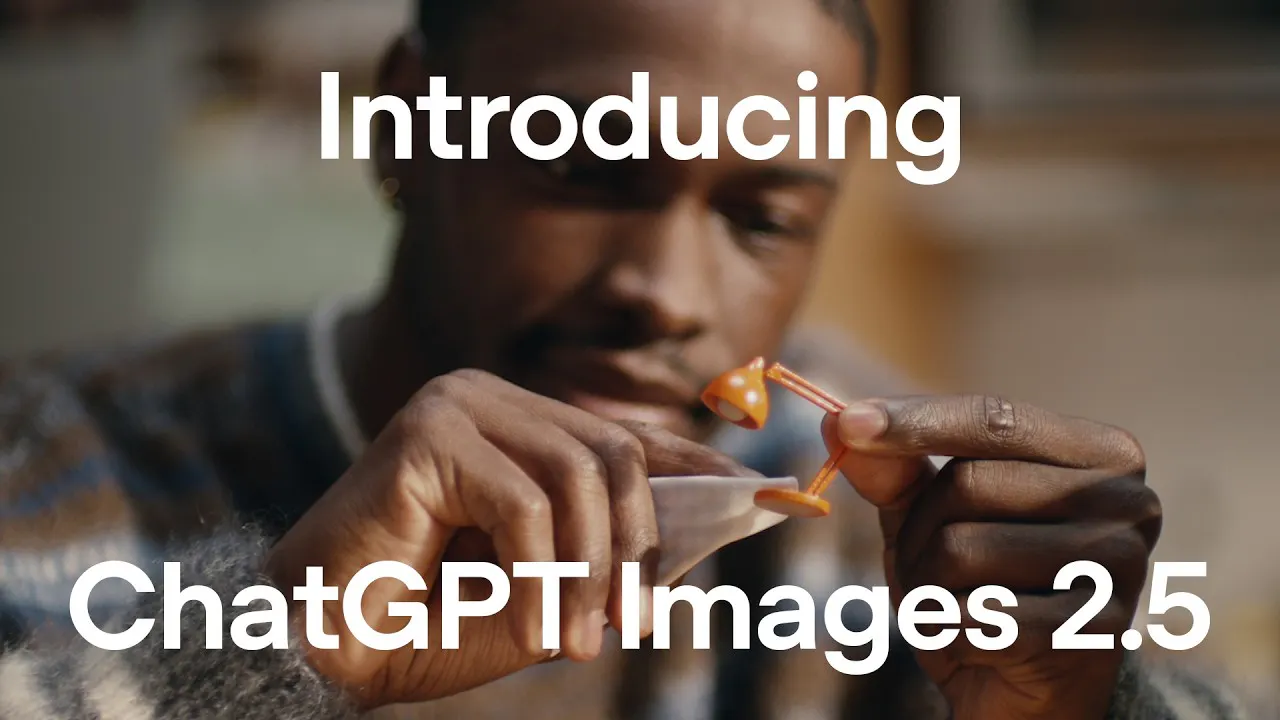
ChatGPT Images 2.5 is an AI image generation and editing model embedded in ChatGPT and available via API, designed for multi-turn creation where instructions, references, and iterative feedback drive the output. It focuses on higher fidelity renders, stronger subject and style consistency across edits, and faster generation for workflows like product imagery, posters, merch, and marketing creatives.
📊 Evaluation
AI Native Application Modernization: 91/100
The product is AI-native because the core system is the image model orchestrated through conversational, stateful editing rather than static templates or manual tools, enabling reliable iterative refinement over multiple turns. Modernization is strong via lower latency, better instruction adherence, and developer-ready API integration for production pipelines, with remaining risk concentrated in predictable controllability and governance needs typical of generative media.
🔗 Website
https://openai.com/
4. Suno v6
Ranking: 29
Upvote: 171
🚀 Product Overview
Suno v6 is an AI-native music generation and editing suite with three model variants (v6, v6-wild, v6-mini) optimized for different levels of control, exploration, and speed. It focuses on post-generation iteration with in-place edits like changing a chorus, swapping lyrics, extracting a riff from a timestamp, and combining your own tracks, while also supporting multimodal starting points such as images, video, and voice memos.
📊 Evaluation
AI Native Application Modernization: 88/100
The product is model-first: creation, editing, and recomposition workflows are centered on AI outputs rather than traditional DAW paradigms, and multimodal inputs broaden how users specify intent. Industry-aligned development with partners like Warner Music Group, BMG, and Believe signals a push toward more operationally deployable AI music pipelines, though governance, rights handling, and provenance transparency will likely determine how well it scales for professional use.
🔗 Website
https://suno.com/

5. Cognition’s SWE-2
Ranking: 32
Upvote: 163
🚀 Product Overview
Cognition’s SWE-2 is a coding model optimized for agentic software work where accuracy and runtime cost both matter. It is post-trained with reinforcement learning that directly incorporates the dollar cost of a run into the reward, and it supports multiple effort levels in a single training setup to improve the full cost-performance curve. Reported results include 50.0% on FrontierCode 1.1 Main and 92.8% on Terminal-Bench 2.1, with fewer turns and earlier first edits versus SWE-1.7.
📊 Evaluation
AI Native Application Modernization: 87/100
SWE-2 is AI-native because the model is the core execution engine for coding agents, and cost-aware behavior is learned rather than enforced via external rules. Training that internalizes monetary cost targets production constraints like token burn, turn count, and iterative exploration, which is critical when running agents at volume. The product story is supported by benchmark deltas and deployment paths (Devin Desktop/CLI), though real-world outcomes will still depend on repo complexity, tooling integration, and eval representativeness.
🔗 Website
https://cognition.com/blog/swe-2
6. AlphaGenome Atlas
Ranking: 38
Upvote: 149
🚀 Product Overview
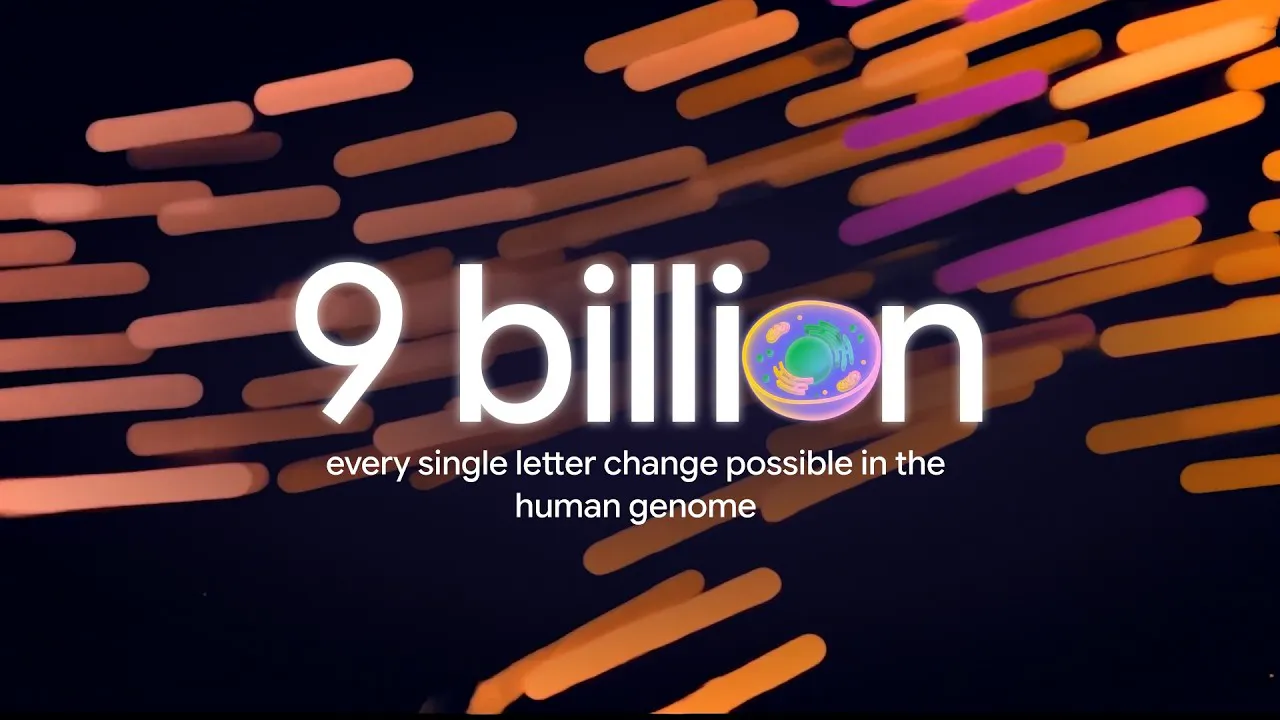
AlphaGenome Atlas is an AI-driven genome-variant atlas that predicts the potential biological impact of single-letter DNA mutations at scale, exposing a research-ready map of billions of variants via a visual interface for non-programmers plus an API for programmatic analysis and integrations.
📊 Evaluation
AI Native Application Modernization: 87/100
The core value is model-generated predictions rather than manual curation, turning AI inference into the primary data layer for exploration and downstream workflows; strong accessibility (UI + API) supports adoption, while practical research use still depends on responsible interpretation, validation, and clear uncertainty handling for high-stakes genetic decisions.
🔗 Website
https://blog.google/innovation-and-ai/models-and-research/google-deepmind/alphagenome-atlas/
7. Lyrimuse
Ranking: 85
Upvote: 96
🚀 Product Overview
Lyrimuse is a macOS lyrics app that treats lyric selection as a scoring problem: it queries nine providers in parallel, ranks candidates by metadata fit, duration alignment, word-level timing availability, cross-provider corroboration, and version qualifiers (Live/Remix/Edit/language variants), then keeps an explainable panel of why a winner was chosen and locks manual overrides to prevent re-matching.
📊 Evaluation
AI Native Application Modernization: 92/100
The core system is an automated matching and ranking engine that continuously decides the correct lyric version per track, rather than a static lookup UI; it also supports multi-surface rendering (overlay, Dynamic Island-style capsule, lyrics window, menu bar) and augments content via on-device translation plus language-aware romanization (e.g., Jyutping, furigana), with strong product hygiene for a desktop utility (free, GPL-3.0, no account, no telemetry).
🔗 Website
https://github.com/Yudaotor/lyrimuse
8. hob
Ranking: 95
Upvote: 90
🚀 Product Overview
hob is an AI-native workspace that treats coding agents as first-class users, unifying the tools around them—terminals, isolated worktrees, reviews/PRs, automations, artifacts, and remote sessions—so context, outputs, and decisions stay connected to the exact agent conversation that produced them.
📊 Evaluation
AI Native Application Modernization: 88/100
The core value comes from agent-centric workflow orchestration rather than a bolt-on assistant: agents can open the right context, coordinate work, recover sessions, and guide actions inside the app while keeping plans, commits, and issues traceable. Strong local-first posture with remote E2E encryption and no token resale reduces operational risk, though adoption depends on how smoothly it fits diverse agent/provider setups.
🔗 Website
https://hob.dev/

Statement: Evaluation results are generated by AI, lack of data support, reference learning only.