AI Native Product Insights – 2026W44

Based on Product Hunt data, we’ve curated a selection of AI Native applications that demonstrate how AI is being built into the core of modern products. These AI Native solutions showcase new developments in functionality and are exploring fresh ways of human-AI interaction. Let’s dive into these AI Native applications.
1. Cloudflare
Ranking: 10
Upvote: 136
🚀 Product Overview
Cloudflare Clairic on Workers AI targets structured extraction workloads where generation is unnecessary, returning typed values in a single pass for tasks like parsing invoices, dates, and document fields. Positioned within Cloudflare’s serverless and edge platform, it treats model inference as the core execution primitive for turning unstructured inputs into reliable structured outputs.
📊 Evaluation
AI Native Application Modernization: 89/100
Clairic reflects an AI-native design by optimizing for deterministic structured outputs rather than chat-style token streaming, which can simplify pipelines and reduce latency/cost for production extraction. The preview status suggests maturity risks around accuracy guarantees, tooling, and evaluation workflows, but the specialized-model approach and tight integration with Workers AI indicate a modern foundation for building AI-first services.
🔗 Website
http://www.cloudflare.com/

2. telemetry.dev
Ranking: 19
Upvote: 242
🚀 Product Overview
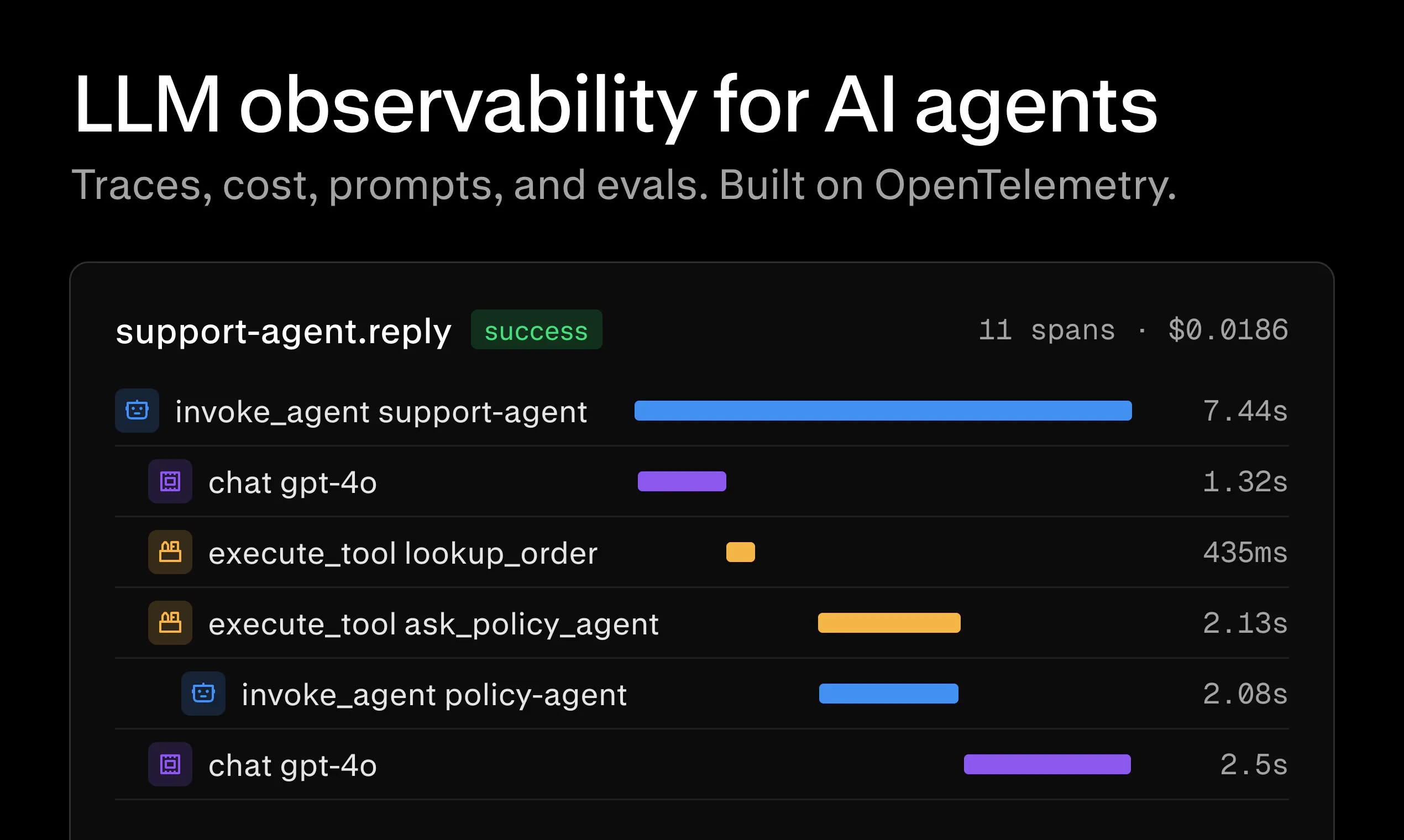
telemetry.dev is an observability layer purpose-built for AI agents, representing each agent run as a single trace with model calls and tool calls captured as spans, including tokens, cost, and errors. It also adds AI-operations workflow features such as prompt management without redeploys, dataset-based evals for prompt versions, alerting on error spikes or expensive runs, and CLI/MCP access so coding agents can inspect traces directly.
📊 Evaluation
AI Native Application Modernization: 90/100
The product treats LLM and tool orchestration as the core execution surface to monitor, not just another service to log, and it standardizes agent telemetry with an OpenTelemetry-based approach. Strong coverage across prompt iteration, offline evaluation, cost/error governance, and integrations via TypeScript/Python SDKs makes it well-aligned with AI-native production needs; the remaining gap is mainly around broader enterprise controls rather than core agent observability.
🔗 Website
https://telemetry.dev/
3. MiniMax M3.1 Flash
Ranking: 21
Upvote: 239
🚀 Product Overview
MiniMax M3.1 Flash is an AI model optimized for agentic workflows, aimed at coding, computer-use automation, and cybersecurity tasks through API and desktop tooling. It focuses on high-throughput inference (200+ tokens/sec reported) and lower unit economics for agents, positioning the model as the core runtime for building faster, cost-sensitive autonomous systems.
📊 Evaluation
AI Native Application Modernization: 87/100
This launch is strongly AI-native because performance, cost, and agent reliability are driven primarily by the model’s inference efficiency (including sparsity) rather than UI features. Publicly shared benchmark results and transparent token pricing support evaluation for production agent deployments, though several security claims rely on internal assessment and will matter most when independently validated in real environments.
🔗 Website
https://www.minimax.io/blog/minimax-m31f

4. Floot in ChatGPT
Ranking: 24
Upvote: 212
🚀 Product Overview
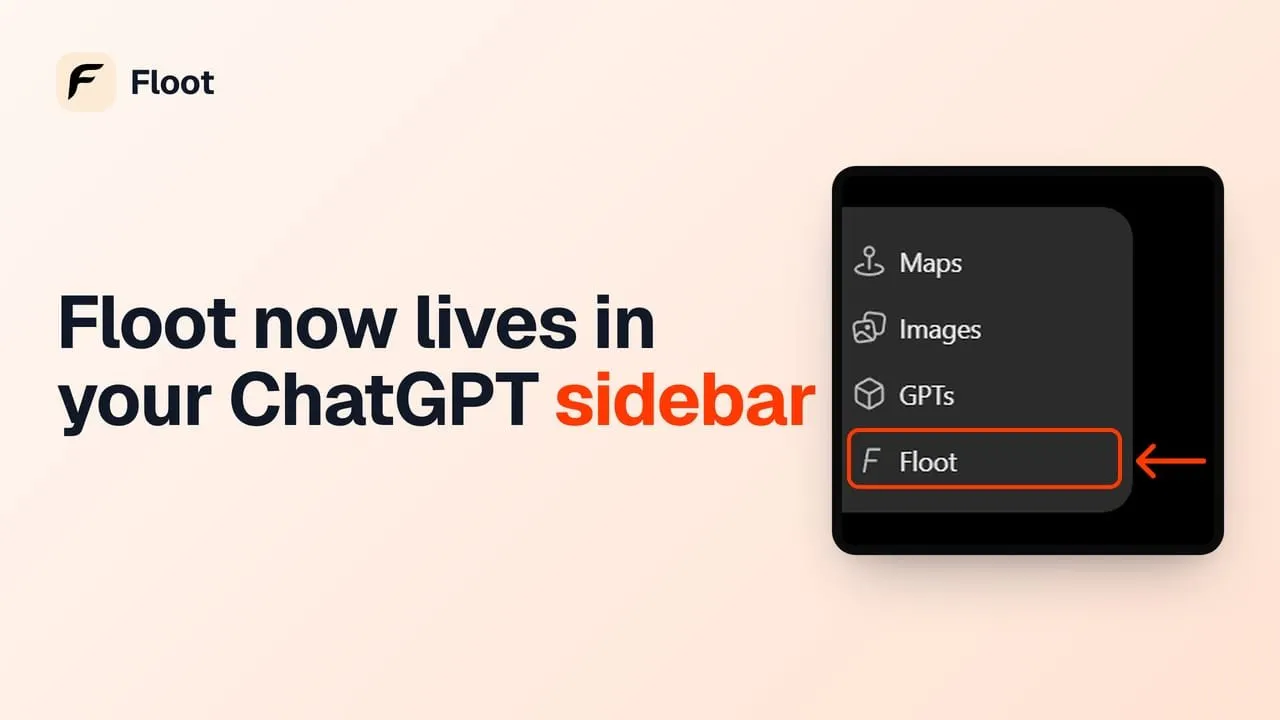
Floot is an AI-native app builder that runs inside the ChatGPT sidebar, turning ongoing conversation context into working applications with an in-chat live preview. It automates the build loop by prompting ChatGPT on your behalf, then packages the result with database, authentication, and hosting so you can publish to a shareable link as well as iOS and Android stores.
📊 Evaluation
AI Native Application Modernization: 87/100
Floot makes the LLM the primary interface and execution driver for product creation, with tight context carryover, automated prompting, and immediate preview that shorten iteration cycles. Its modernization strength is pairing agentic building with real deployment primitives (data, auth, hosting), though teams will still need to validate customization depth, governance, and portability as apps scale.
🔗 Website
https://floot.com/
5. Backenly
Ranking: 38
Upvote: 153
🚀 Product Overview
Backenly is an autonomous backend platform designed for AI coding agents, exposing an MCP interface to provision and operate Postgres (with row-level security), auth, storage, realtime, and functions. After deployment it continuously inspects the live backend, detects breakages like schema drift, permission leaks, failed migrations, and API issues, then applies verifiable and reversible fixes, escalating unsafe changes for human approval.
📊 Evaluation
AI Native Application Modernization: 87/100
Backenly is AI-native because it treats agents as first-class operators of backend infrastructure and embeds closed-loop monitoring, diagnosis, and remediation as the core runtime workflow rather than a human-run ops process. Trust is addressed through post-change verification, rollbackability, and an auditable history, with guardrails for destructive actions; the main risk is operational complexity and the need for teams to validate autonomy boundaries for their production workloads.
🔗 Website
https://backenly.com/
Statement: Evaluation results are generated by AI, lack of data support, reference learning only.