AI Native Weekly Newsletter: 10 July 2026
Contents
-
OpenAI Launches GPT-5.6 Model Family: Sol, Terra, and Luna in ChatGPT, Codex, and API
-
Anthropic Identifies Internal “J-Space” in Claude Linked to Verbalizable Thought
-
xAI Launches Grok 4.5, Its First Model Trained for Coding and Agents, in Partnership with Cursor
-
Meta Superintelligence Labs Launches Muse Image and Previews Muse Video
-
Tencent releases Hunyuan Hy3 large language model with improved agent capabilities and integration across 50+ business products
-
Kimi K2 Becomes First Open-Weight Model Available in GitHub Copilot Model Picker
OpenAI Launches GPT-5.6 Model Family: Sol, Terra, and Luna in ChatGPT, Codex, and API
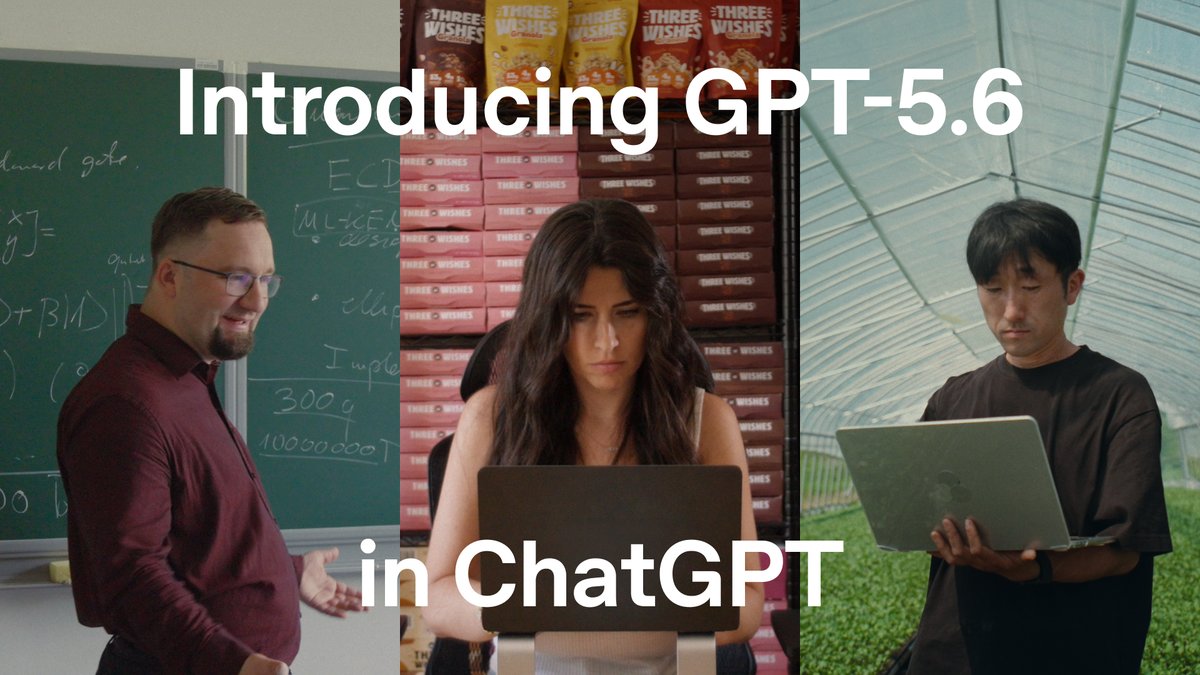
OpenAI has begun rolling out its GPT-5.6 model family — Sol, Terra, and Luna — in ChatGPT, Codex, and the API. Sol is the flagship model designed for the hardest problems such as complex coding and security research; Terra is a balanced model for high-volume business tasks that is 2x cheaper than GPT-5.5 with competitive performance; and Luna is the fastest and most cost-efficient option for everyday work. The release follows regulatory clearance from the U.S. Department of Commerce and was previewed with the U.S. government ahead of launch. GPT-5.6 Sol also launches with OpenAI’s most robust safety stack to date, featuring strengthened protections for higher-risk activity and sensitive cyber requests.
Anthropic Identifies Internal “J-Space” in Claude Linked to Verbalizable Thought
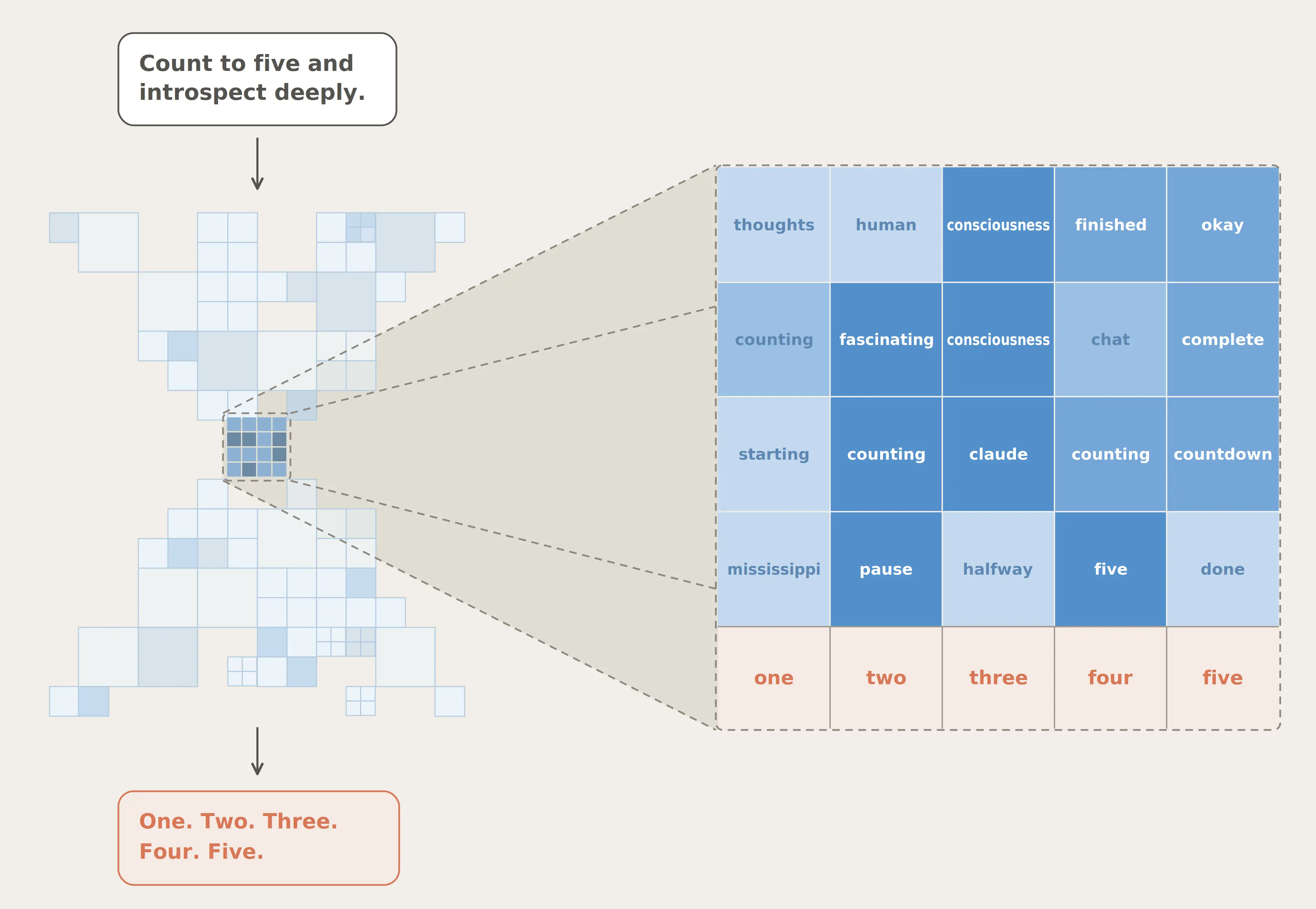
Anthropic published research on July 6, 2026, revealing that Claude has developed a small internal neural workspace—called the J-space—that holds concepts the model is actively processing without necessarily surfacing them in its output. The finding emerged from a technique called the Jacobian lens (J-lens), which enables researchers to read, audit, and intervene in what Claude is actively thinking. The J-space parallels Global Workspace Theory from cognitive neuroscience, which describes how the human brain makes a fraction of mental activity consciously accessible. Anthropic also released an open-source implementation of the J-lens alongside a Neuronpedia demo to allow the broader research community to examine the findings. The research does not claim Claude is conscious, but positions J-lens as a practical interpretability and AI safety tool for monitoring model internals as systems grow more capable.
xAI Launches Grok 4.5, Its First Model Trained for Coding and Agents, in Partnership with Cursor
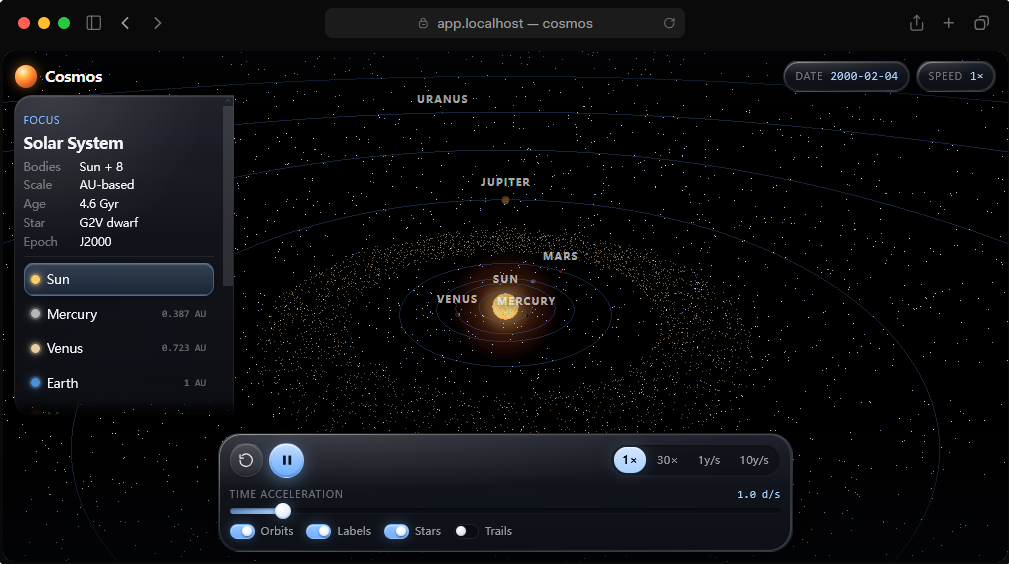
xAI has announced Grok 4.5, its first model trained specifically for coding and agentic tasks. The model was developed in collaboration with Cursor, a widely used AI-powered code editor. xAI says Grok 4.5 delivers frontier-level intelligence at leading speeds and cost efficiency. The release targets developers and agent workflows, positioning it as a competitive option in the coding AI model market.
Meta Superintelligence Labs Launches Muse Image and Previews Muse Video

Meta Superintelligence Labs has launched Muse Image, its most advanced image generation model, and previewed Muse Video as the first media generation models from the lab. Muse Image supports instruction-following, precision editing, multi-reference composition, Instagram social context, and agentic tool use, and integrates with the Muse Spark language model. It is available in the Meta AI app and on meta.ai, Instagram Stories in the US, and WhatsApp in limited countries, with Facebook availability coming soon. Muse Video is built on the same pretraining base as Muse Image and delivers visual fidelity with native audio support, with a broader release to creators and Meta AI coming soon. The launch marks Meta’s move toward developing its own in-house media generation models after previously relying on third-party providers.
Tencent releases Hunyuan Hy3 large language model with improved agent capabilities and integration across 50+ business products
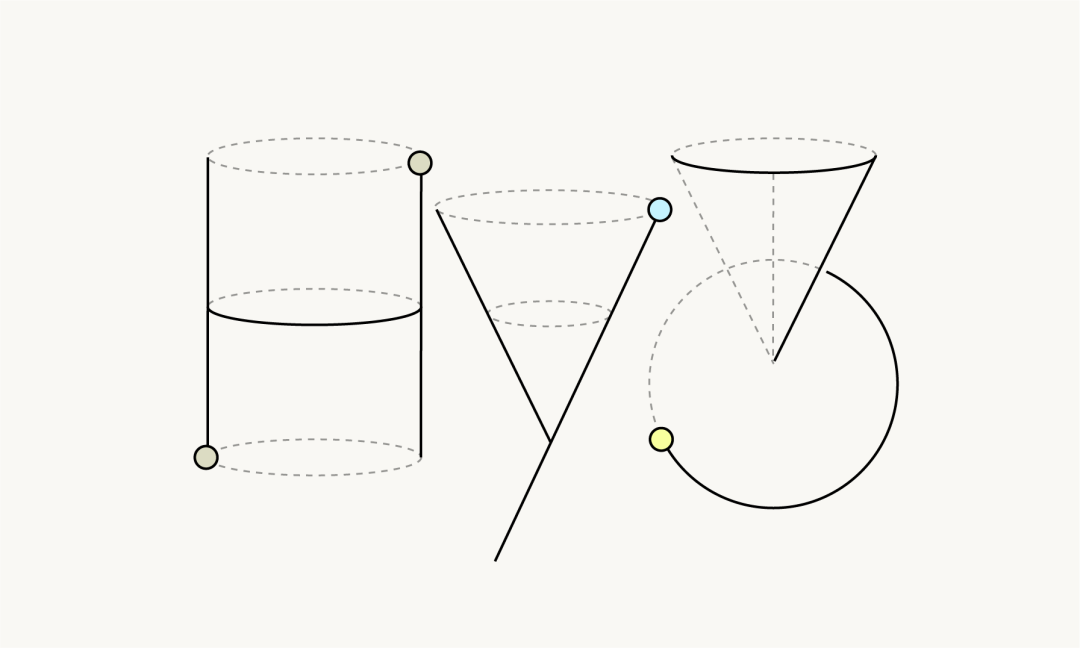
Tencent officially released Hunyuan Hy3, an upgraded version of its large language model following the preview released in late April. The model features 295B total parameters with 21B activated parameters using MoE architecture and supports up to 256K context length. Hy3 has been integrated into core Tencent products including WorkBuddy, CodeBuddy, Yuanbao, WeChat Official Accounts, QQ Browser, and WeGame, with nearly 50 additional business lines in the integration queue. The model demonstrates significant improvements in agent tasks, with WorkBuddy showing task success rates increasing from 72% to 90% and average processing time reduced by 34%. Hy3 is available on Tencent Cloud with pricing of 2 yuan per million input tokens and 8 yuan per million output tokens, and is open-sourced under Apache 2.0 license for global developers on platforms including Hugging Face and ModelScope.
Kimi K2 Becomes First Open-Weight Model Available in GitHub Copilot Model Picker
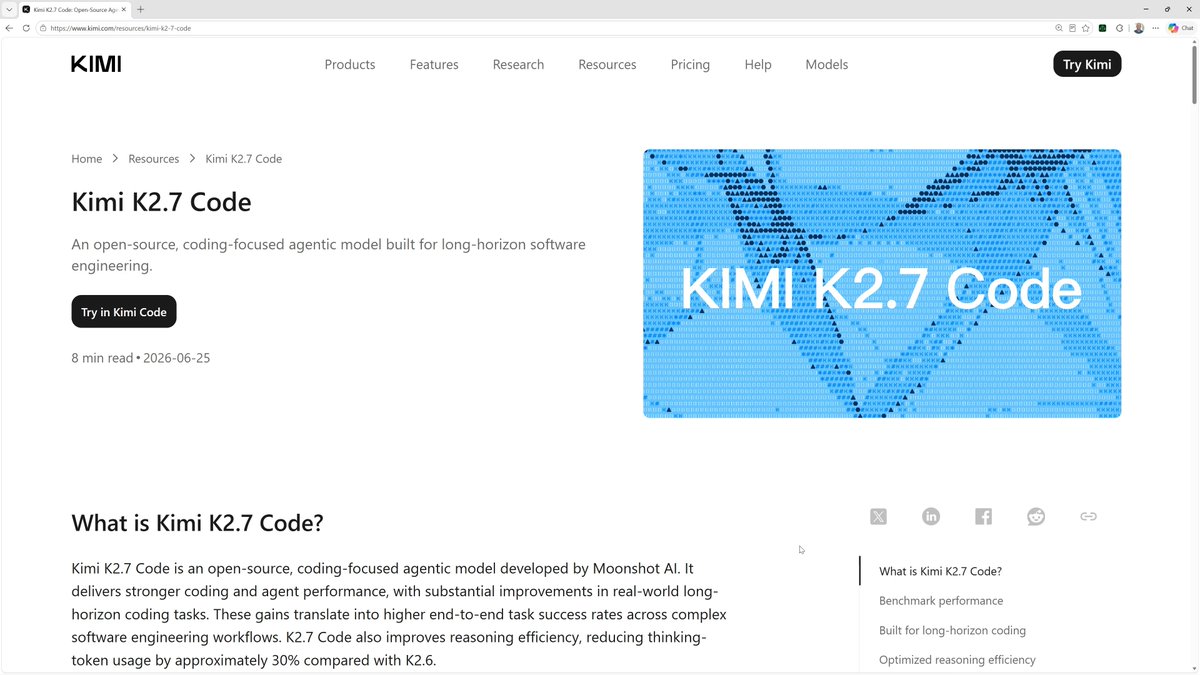
GitHub has added Kimi K2, an open-weight model, to the GitHub Copilot model picker, making it the first open-weight model available for selection in the tool. The integration gives developers more choice and flexibility when using GitHub Copilot in their workflows. Kimi K2 is positioned as a low-cost, high-performance option within the Copilot ecosystem. GitHub developer advocate Burke Holland published an explainer video detailing what the addition means for developers.